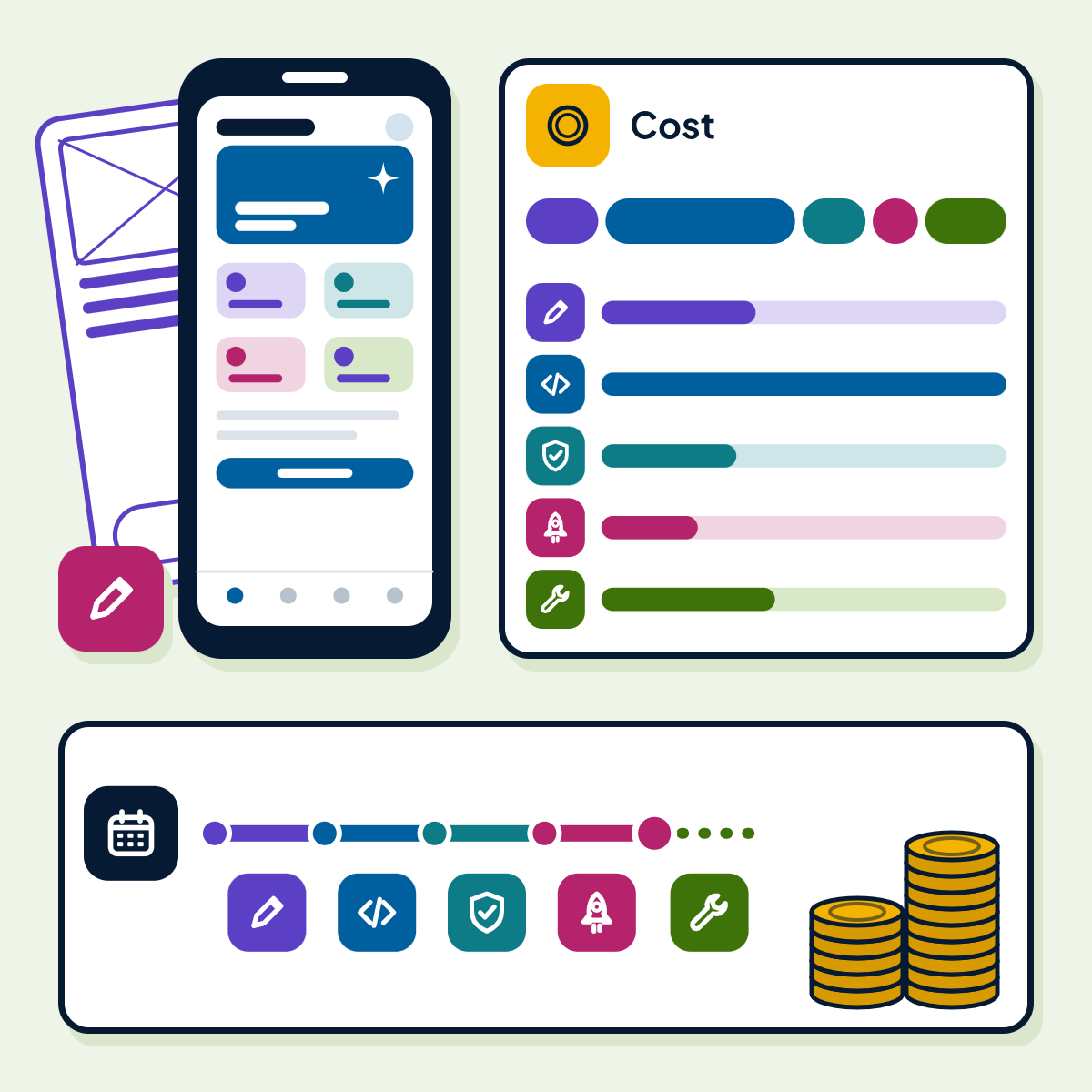
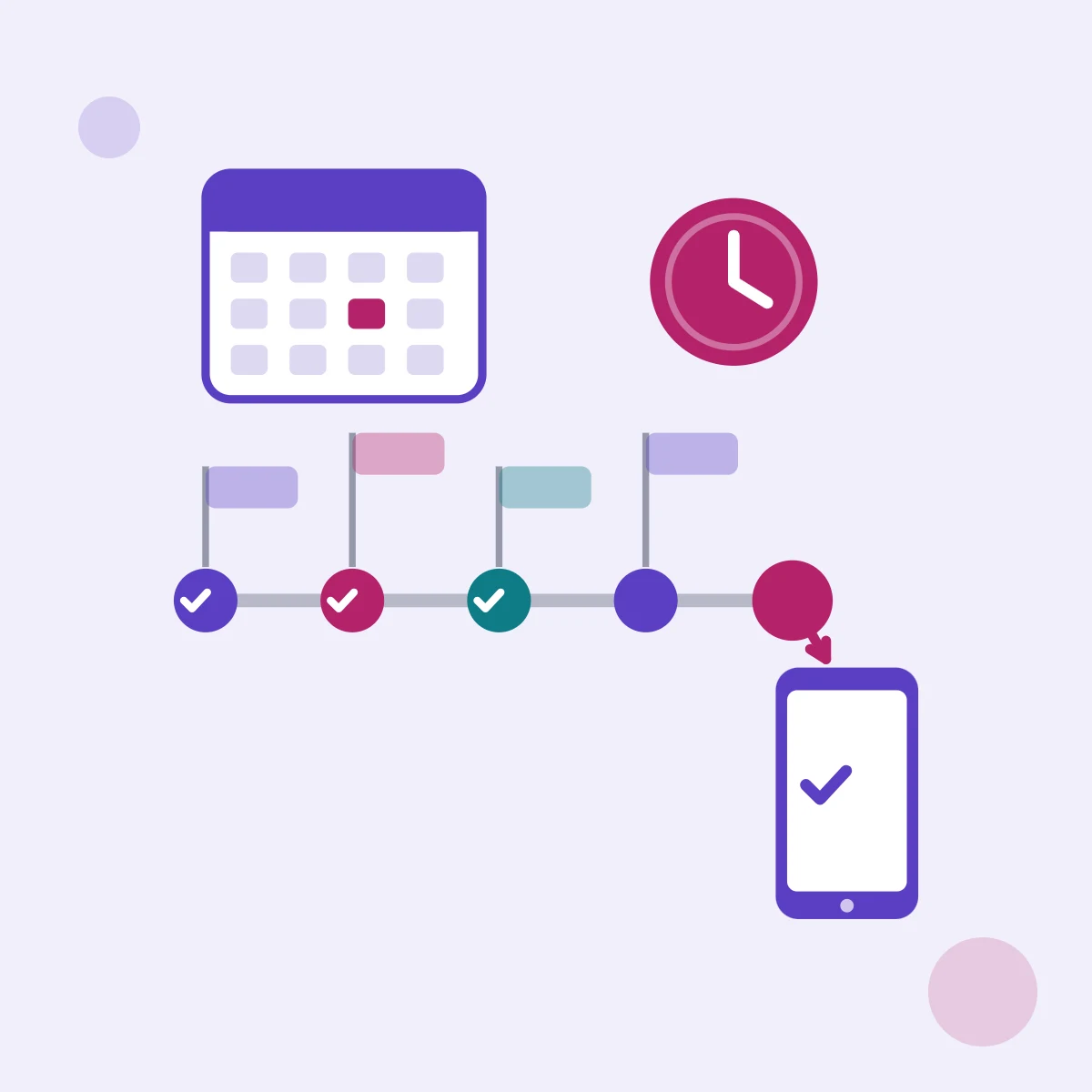
A walk through the app development lifecycle, from planning and design to testing, launch and marketing.
Mobile applications are part of daily life. People use them for tasks such as ordering food and managing their finances. Demand for useful, easy-to-use apps keeps growing, which makes app development a worthwhile field to work in. This guide covers app development from the first idea to deployment. It is written for people new to app development and for experienced developers who want to extend their skills, with practical advice for each stage.
Understanding App Development
- The Evolution of Mobile Applications : Mobile app development has changed a great deal since the first smartphone. In the early 1990s, the first apps on mobile devices were basic games and utilities. Today there is a large and varied range of apps covering entertainment, education, healthcare, finance and more. Knowing this history helps you understand the trends and demands in app development today.
- Importance of User-Centric Approach : App development is competitive, and putting the end user first is the most important factor in success. Users expect apps that are intuitive, look good and are easy to navigate. When developers design around the needs of their target audience, the result is better user retention and better reviews.
- Exploring Different Platforms : Developers can build for several platforms, each with its own strengths and limits. Android and iOS are the leading platforms, but there are alternatives such as Windows and Blackberry, and cross-platform frameworks such as React Native and Flutter. Understanding how each platform works helps you reach a wider audience and get the most from your app.
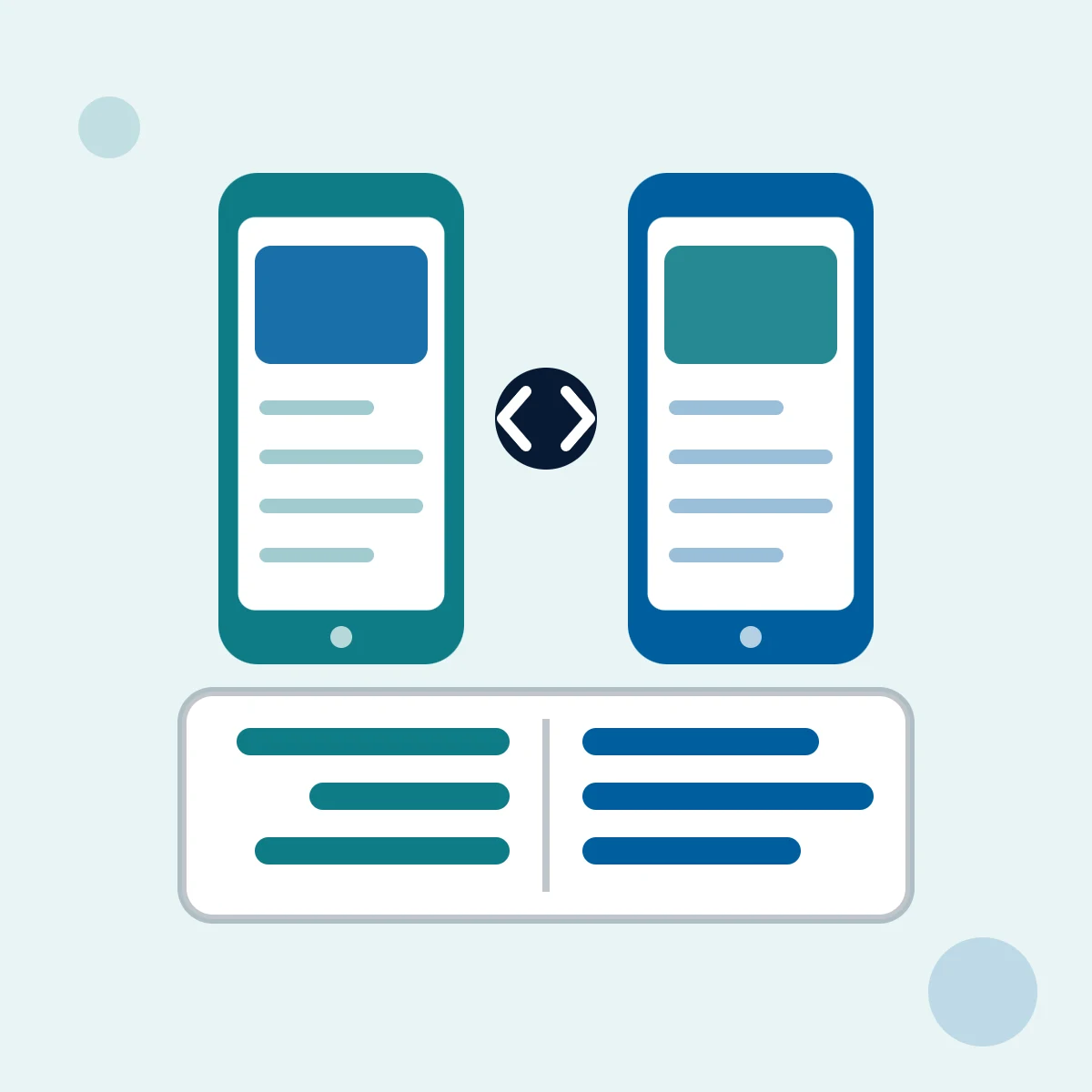
- Pros and Cons of Native vs. Hybrid Apps : One of the first decisions app developers face is whether to build native or hybrid apps. Native apps are built for a specific platform and perform better, while hybrid apps use web technologies and are easier to maintain across several platforms. We’ll look at the pros and cons of each approach, so you can choose based on your project requirements.
Pre-Development Phase
- Defining the App Concept : Every successful app starts with a clear concept. Whether the app solves a problem or provides entertainment, a well-defined concept is the basis for the whole development process. We’ll discuss techniques for generating and validating app ideas, so you start with a concept that users are likely to want.
- Market Research and Competitor Analysis : The app market is competitive, so market research and competitor analysis are essential. By understanding the target market, finding gaps in existing solutions and analysing competitors’ strategies, you can position your app well. We’ll cover tools and methods for gathering the data you need.
- Creating a Solid App Strategy : An app strategy covers revenue models, monetisation, user acquisition plans and more. We’ll look at different app strategies, such as freemium, subscription-based and in-app purchases, and how to choose the right one for your app.
- Setting Clear Objectives and Goals : Clear, achievable objectives keep the app development process on track. Defining key performance indicators (KPIs) and setting milestones gives you measurable goals, so you can monitor progress and base decisions on data.
Designing a Clear User Experience
- User Interface (UI) Best Practices : A clear, attractive interface has a large effect on an app’s success. We’ll cover UI best practices such as minimalist design, intuitive navigation and careful use of colour and typography, so your app works well and looks good.
- Integrating User Experience (UX) Design : UI is about the app’s look and feel, while UX covers the whole user journey. Good UX design considers user flow, information architecture and interactions. We’ll discuss ways to create an experience that keeps users coming back to your app.
- Importance of Accessibility and Inclusivity : Inclusive app design means people with disabilities can also use your app. Making your app accessible increases your potential user base and meets ethical and legal obligations. We’ll look at guidelines and tools for making your app more inclusive and easier to use.
- Utilising Prototyping and Wireframing : Before full development starts, prototypes and wireframes let you see the app’s layout and functionality. They allow you to iterate and test ideas quickly, which reduces development time and cost. We’ll look at popular prototyping tools and techniques for speeding up the design process.
Want a second opinion on your plans?
Tell us what you are working on. A specialist will look at it and reply with practical next steps.
Get in touchDevelopment Stage
- Selecting the Right Development Team : The success of your app depends largely on the skill and efficiency of your development team. Choose people with the right skills and experience. Look at the team’s portfolio, previous app development projects and how well they communicate. A balanced team of front-end and back-end developers, UI/UX designers and quality assurance specialists makes development smoother and more likely to succeed.
- Choosing the Appropriate Technology Stack : The technology stack you choose determines your app’s performance, scalability and flexibility. Native and hybrid development each need specific tools and frameworks. Research the options and consider your team’s skills before deciding. Keep up with new technologies so your app does not fall behind.
- Implementing Agile Development Methodology : The traditional waterfall approach is often not the most efficient choice for app development. Agile methods such as Scrum or Kanban put flexibility, collaboration and iterative progress first. By splitting development into sprints, you can respond to changing requirements and deliver regular updates that keep stakeholders involved.
- Ensuring Security and Data Privacy : Data breaches and cyber-attacks are increasingly common, so protecting your users’ security and privacy is essential. Strong security measures, encryption of sensitive data and compliance with industry standards and regulations build user trust. Run regular security audits and keep track of possible vulnerabilities to keep your app secure.
Testing and Quality Assurance
- Importance of Rigorous Testing : Thorough testing is the basis of a reliable app with few bugs. Each stage, from functional testing to usability testing, finds and fixes issues before the app reaches users. Use automated testing tools to speed up the process and get consistent results.
- Types of Testing: Functionality, Usability, and Performance : Each type of testing has a different purpose. Functionality testing checks that every feature works as intended, usability testing checks how easy the app is to use, and performance testing measures how the app behaves under different conditions. Combining these approaches gives you a polished app that performs well.
- Beta Testing and User Feedback : Before releasing your app to the public, run a beta test with a selected group of users. Beta testers’ feedback helps you find usability issues and unexpected bugs, and shows how satisfied users are overall. Act on that feedback and make the changes needed to improve the user experience.
- Addressing Bugs and Improving Stability : Even after thorough testing, bugs can appear after launch. Monitor the app’s performance and user feedback after launch so you can find and fix issues quickly. Fixing bugs promptly and releasing updates makes the app more stable, improves the user experience and reflects well on your brand.
Launching Your App
- App Store Guidelines and Submission Process : iOS and Android each have specific guidelines and requirements that apps must meet to be accepted. Learn these guidelines to avoid rejection and delays. Prepare clear app icons, accurate descriptions and good screenshots to attract users.
- Effective App Marketing Strategies : Launch is only the start; you need marketing to attract users. Use channels such as social media, content marketing, influencer collaborations and email campaigns to promote your app. Building interest before launch and a loyal user base can have a large effect on your app’s early results.
- Using Social Media and Influencer Outreach : Social media lets you talk to potential users and build a community around your app. Create shareable content, run giveaways and reply to user comments to build a positive brand image. Working with influencers in your niche can greatly increase your app’s visibility.
- Monitoring and Analysing Key Metrics : Tracking performance metrics shows whether your app is succeeding and where it needs to improve. Key performance indicators (KPIs) such as user acquisition, retention rate, engagement and revenue show the app’s impact on your business. Use analytics tools to get insights you can act on and base decisions on data.
Post-Launch Maintenance and Updates
- Continuous Improvement and User Feedback : The work continues after launch. To stay competitive, keep improving your app based on user feedback and market trends. Ask users for feedback and act on their suggestions where possible. Continuous improvement is what keeps an app successful over time.
- Analysing User Behaviour and Engagement : Understanding how people use your app is key to improving user experience and retention. Analyse user behaviour, such as click-through rates, session lengths and user pathways, to find areas that need work. Using data in this way helps you make informed decisions to increase engagement.
- Addressing Security Vulnerabilities : Security threats change as technology changes. Assess your app’s security regularly and fix vulnerabilities promptly. Keep the app and all its components up to date so you are protected against the latest security risks.
- Optimising for Different Devices and OS Versions : Mobile devices have many screen sizes and operating system versions. Your app needs to work well across these devices and OS versions to serve a varied user base. Use responsive design and run compatibility tests to give users a consistent experience.
Explore Our Related Services
Get new guides by email
Articles and guides from our team, and company news. Unsubscribe at any time.
About AcmaSoft
AcmaSoft designs and builds websites, mobile apps and custom software, and runs SEO and digital marketing for its clients.
- Years of experience
- 17+
- Clients served
- 650+
- Projects delivered
- 2,000+
- Products shipped
- 300+