

AI agent development services that automate multi-step work
At AcmaSoft, we build AI agents that read requests, use your tools and APIs, complete multi-step workflows and ask a person to approve anything that matters, with logging and monitoring from day one.
- Years of experience
- 17+
- Clients served
- 650+
- Projects delivered
- 2,000+
- Products shipped
- 300+
What AI agents can do for your team
Ordinary automation follows fixed rules, so it breaks when an email is worded differently or a case needs a judgement call. Many of the tasks that still take your team’s time look like that: triaging requests, researching an account, preparing a quote, chasing missing information.
An AI agent uses a language model to decide what to do next, calls the tools it is allowed to use, checks the result and carries on until the job is done or a person needs to step in.
We design agents with narrow permissions, clear approval points and full logs, so you gain the flexibility of AI without losing control of what it does.
What you get with AI agents and agentic automation
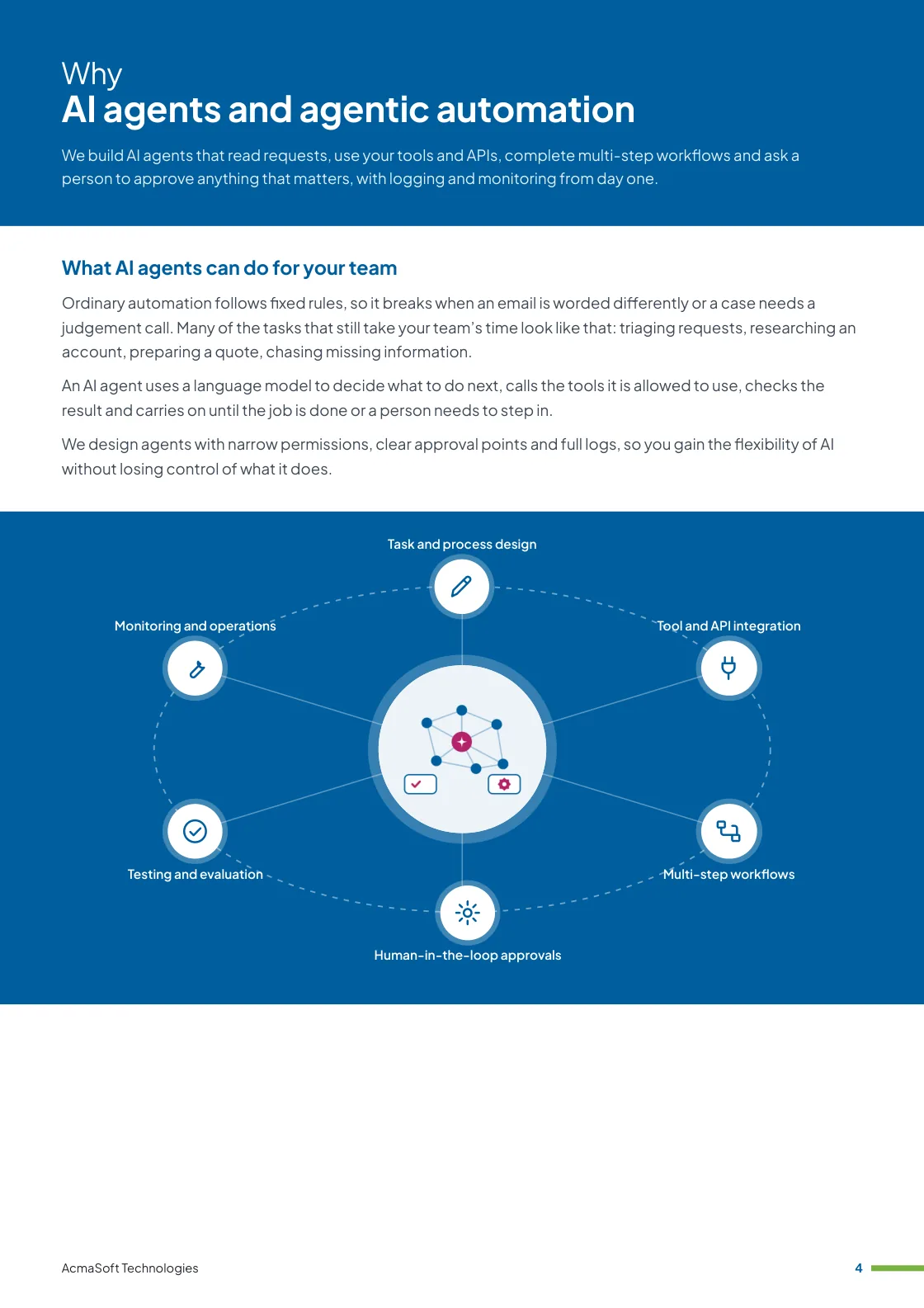
- Task and process design
- Tool and API integration
- Multi-step workflows
- Human-in-the-loop approvals
- Testing and evaluation
- One named lead from first call to launch
- Support and improvements after launch
More in AI and automation
How we build AI agents
An agent is only as reliable as the tools, data and rules around it. These are the six parts we design and build.
-
Task and process design
Choosing the right work
We pick tasks where an agent adds value over fixed automation, define the goal, inputs and finish line, and write down what a good result looks like.
Where a fixed workflow does the job, we recommend that instead, because it is cheaper and more predictable.
-
Tool and API integration
Giving the agent access
Agents act through tools: your CRM, helpdesk, ERP, database, email, calendar or any system with an API. We build these connections with the narrowest permissions each task needs.
Where it fits we use the Model Context Protocol (MCP), so tools can be reused across agents and models.
-
Multi-step workflows
Planning and acting
We design how the agent plans its work, which steps it may repeat, when it must stop and how it passes work to other agents or to fixed automations.
Long-running tasks keep their state, so work survives restarts and can be resumed.
-
Human-in-the-loop approvals
Keeping people in control
Actions that spend money, change important records or contact customers can wait for approval in Slack, Microsoft Teams, email or your own dashboard.
Reviewers see what the agent proposes and why, and can approve, edit or reject it.
-
Testing and evaluation
Measuring reliability
Before launch we run the agent on a set of real cases and measure how often it completes them correctly, where it fails and what each run costs.
The same test set runs again whenever prompts, tools or models change, so improvements do not break existing behaviour.
-
Monitoring and operations
Running agents in production
Every step, tool call and decision is logged. Dashboards and alerts show success rates, failures, response times and spend.
We review the logs with your team and improve the agent as new cases appear.
What to look for in an AI agent developer
Agent demos are easy to build; agents that run safely every day are not. Look for a team that offers:
-
Production engineering
Experience connecting software to real business systems, with authentication, error handling, retries and audit trails, not only prompt writing.
-
A testing discipline
A clear method for measuring agent accuracy on your own cases before launch and after every change.
-
Sensible restraint
Willingness to keep a person in the loop, limit what an agent can touch and use plain automation where AI is not needed.
Ways to work with us
Choose the model that fits your scope and budget for AI agents and agentic automation. Many clients start with one and move to another as the work grows.
-
Fixed price
A defined scope delivered for an agreed price and timeline, in milestones you approve.
- Best for
- Clear requirements, a fixed budget and a firm deadline.
- How it is priced
- One agreed price, paid in instalments tied to milestones.
-
Dedicated team
A team with a project lead that works only on your product, on the priorities you set.
- Best for
- Long-term products and roadmaps that change often.
- How it is priced
- A monthly fee per team member, based on role and seniority.
-
Time and material
You pay for the hours worked and can change the scope as you learn, in short iterations.
- Best for
- Requirements that are hard to fix up front, and ongoing improvements.
- How it is priced
- Hourly or daily rates by role, invoiced monthly against logged time.
Need AI and LLM developers to join your own team instead?
Hire AI and LLM developersWhat our clients say
More client reviews-
AcmaSoft's agile development methods are a game-changer. The iterative approach allowed us to witness progress at every stage, ensuring our project's success.
Daniel K Chicago -
The adaptive nature of AcmaSoft's agile development is commendable. Changes are seamlessly incorporated, ensuring our project stays on track and meets our evolving needs.
Mei Ling Singapore
Related work
See all our work-
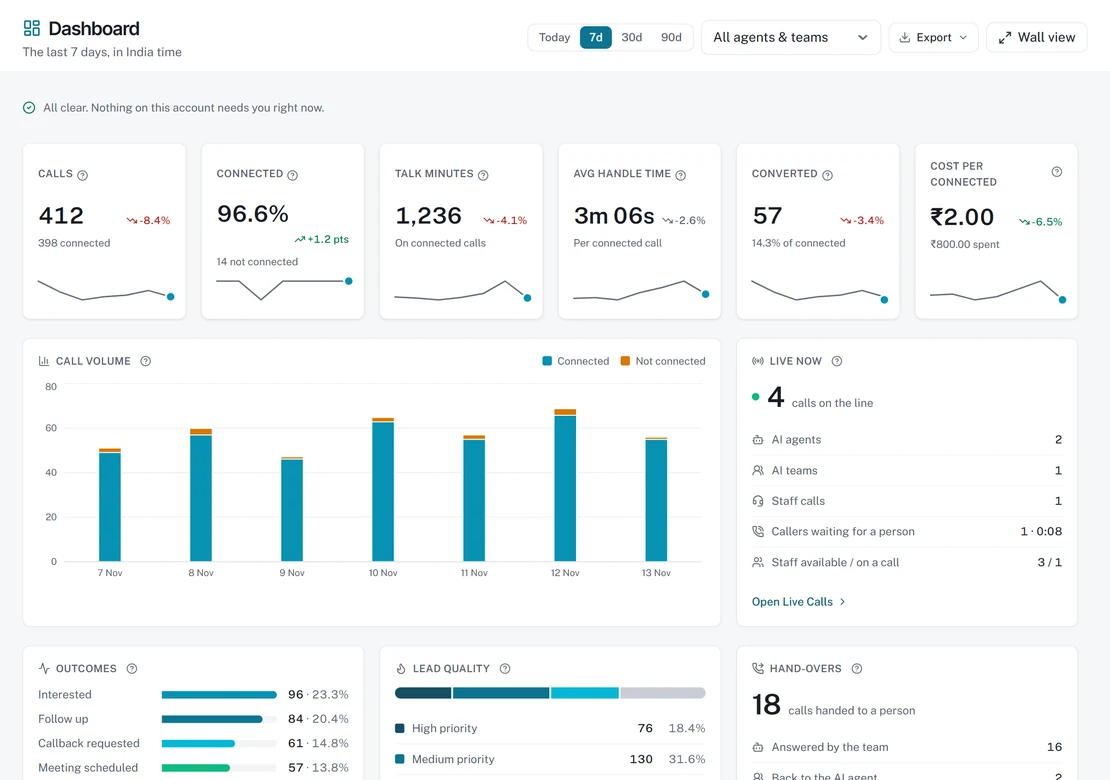 AI Call Studio: the AI voice agent platform
Web application for AI voice agents that make and answer calls for Indian calling teams, with campaigns, call logs, quality checks and analytics
Our own product
-
 AI Call Studio website
AI voice agents for sales, support and collections calls in Indian languages
Our own product
Industries our AI and automation team works in
Our AI and automation team builds for businesses in these industries, and we adapt AI agents and agentic automation to each one's rules, systems and customers.


Technologies we use
We choose the stack for your budget, goals and current systems. Each link explains how we work with that technology or product.
Back end
Not sure which technology fits your project? Ask one of our architects.
Talk to an architectWorking with international clients
Our team delivers remotely, so the questions that matter are when we can talk and how the work is run. Here are our office hours beside yours.
Our office hours Monday to Saturday, 9:30 am to 6:30 pm India time (IST)
Evening hours for North American clients, by arrangement: Monday to Friday, 6:30 pm to 9:30 pm India time
| Your region | Our hours in your time | Shared working hours |
|---|---|---|
| UKLondon | 4 am to 1 pm | 9 am to 1 pm |
| Central EuropeParis, Berlin | 5 am to 2 pm | 9 am to 2 pm |
| US EastNew York, Toronto | 11 pm to 8 am (next day) Evening hours to 11 am | 9 am to 11 am In our evening hours, by arrangement |
| US WestLos Angeles, Vancouver | 8 pm to 5 am (next day) Evening hours to 8 am | No overlap Early calls 7 am to 8 am, by arrangement |
| GulfDubai, Abu Dhabi | 8 am to 5 pm | 9 am to 5 pm |
| Singapore | 12 noon to 9 pm | 12 noon to 6 pm |
| Australia EastSydney, Melbourne | 3 pm to 12 midnight | 3 pm to 6 pm |
Our day ends before yours starts, so updates are waiting each morning and we agree call times with you.
Times follow daylight saving where your region uses it, against a working day of 9 am to 6 pm. Messages sent outside our hours are picked up when the team is back.
-
Remote delivery
Discovery, design, development and testing run remotely, with one named lead, a demo of working features at the end of each sprint and a staging site you can try.
-
How we stay in touch
Email, video calls and chat such as Slack, Microsoft Teams or WhatsApp, with the hours of overlap and meeting times agreed in the communication plan at the start.
-
Contracts and invoices
Proposals, contracts and invoices are in English and priced in US dollars, or in your own currency on request. A non-disclosure agreement can be signed before you share any details.
-
Privacy laws we design for
We design forms, consent and data handling with the law of your market in mind: GDPR and UK GDPR, CCPA and CPRA, PIPEDA, the UAE PDPL, the Australian Privacy Act, Singapore's PDPA and India's DPDP Act.
Questions about AI agents and agentic automation
Something else on your mind? Ask us directly and a specialist will reply.
Ask a questionWhat is an AI agent?
A program that uses a language model to decide which steps to take towards a goal. It calls tools such as your CRM, database or email through their APIs, checks the results and continues until the task is done or it needs a person.
How is an AI agent different from ordinary automation?
Rule-based automation follows a fixed path. An agent can read unstructured input, choose between actions and cope with variation, which suits tasks like triaging requests or researching a case. Where a fixed workflow is enough we build that instead, because it is cheaper and more predictable.
Can an agent take actions without our approval?
Only the actions you allow. Each agent gets the narrowest permissions it needs, and anything that spends money, changes important records or contacts customers can require a person to approve it first.
How do you keep agents from making mistakes?
We test agents against real examples before launch, limit the tools they can use, validate their outputs, log every step and alert your team when something fails. Agents can still get things wrong, so we design every workflow for review and easy correction.
Which models and frameworks do you use?
We choose per project after testing on your tasks, usually models from OpenAI or Anthropic called through their APIs, with orchestration written in Python or Node.js and agent frameworks where they save effort.
Related insights
All insights-
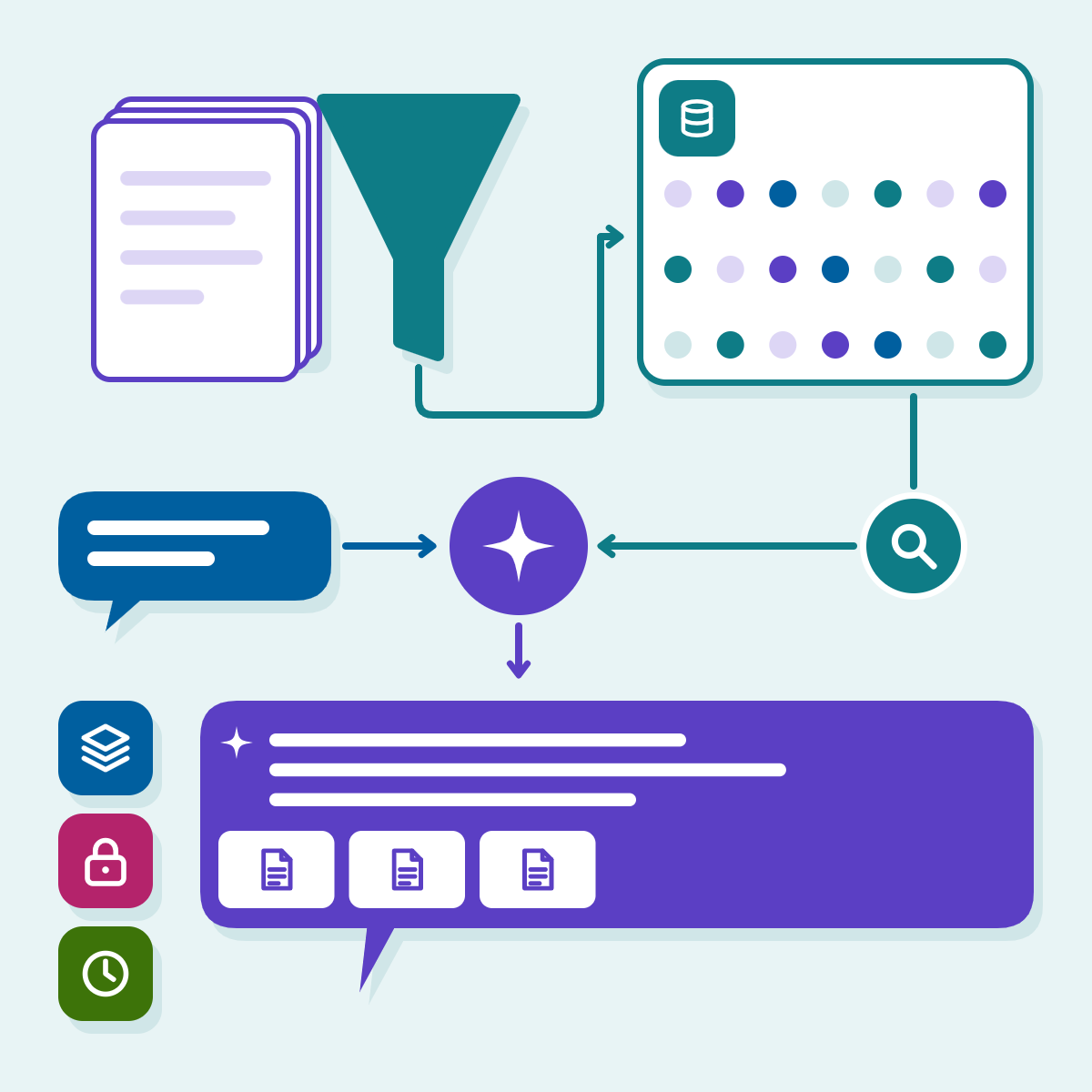 16 Nov 2026
RAG explained: how retrieval-augmented generation works and when a business needs it
A plain walk-through of retrieval-augmented generation, a minimal pgvector query, the decisions that decide quality (chunking, permissions, freshness, evaluation) and…
-
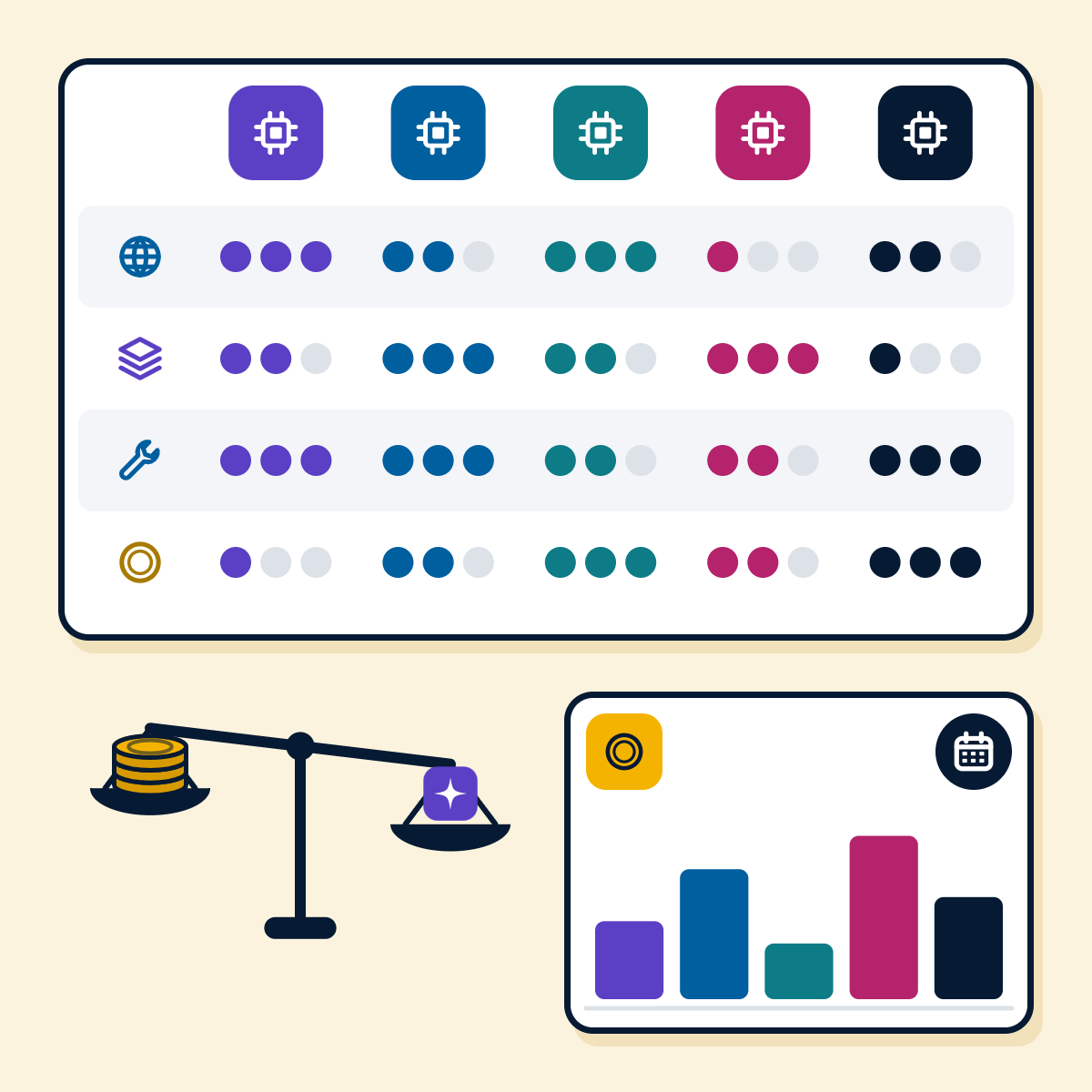 16 Nov 2026
Choosing an LLM in 2026: GPT, Claude, Gemini, Llama and Mistral compared for business use
GPT, Claude, Gemini, Llama and Mistral compared on what decides a business project: price per million tokens, context, tool use,…
-
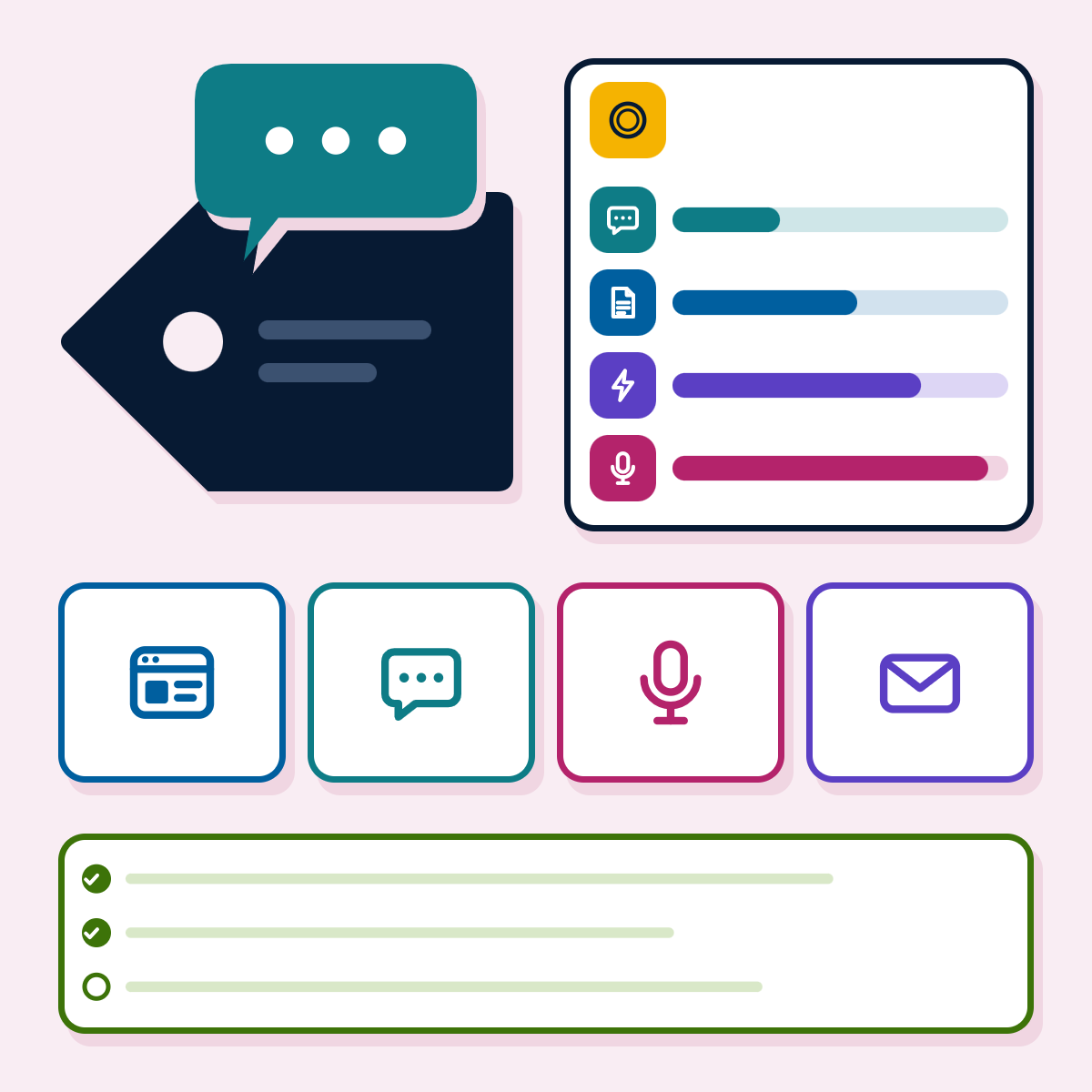 16 Nov 2026
Chatbot development cost in 2026: a breakdown by type and channel
What drives the build and run cost of a chatbot by type and channel, with model prices and WhatsApp pricing…
AI agents and agentic automation brochure
We build AI agents that read requests, use your tools and APIs, complete multi-step workflows and ask a person to approve anything that matters, with logging and monitoring from day one.
Inside this brochure
- What AI agents can do for your team
- How we build AI agents
- How an AI agent project runs
- Technologies and solutions
- 2.9 MB
- 10 pages
- AI and automation
You have downloaded from us before, so this one needs no form.
Get the brochure
Tell us who you are and the download starts straight away. We remember you on this device for 90 days, so you only fill this in once.
Your download has started.
If it does not start, download the brochure here. The links work for 15 minutes.
- Your reference
- Brochure
What you can do next
- Read it and share itShare the brochure with your team before you get in touch. It is free to read and share.
- Get a quote when you are readySix short questions on our request a quote page, and a reply within one business day.
Start your AI agents and agentic automation project
Tell us what you are planning and a specialist will reply with next steps, a rough timeline and the questions we need answered.
- Emailsales@acmasoft.com
- Call+1 (707) 706 4092
- Prefer a call?
Thank you, your message is on its way.
It has reached our sales team, together with the page you sent it from.
- Your reference
- Budget
While we prepare your reply, here is the AI agents and agentic automation brochure.
Download the brochure, AI agents and agentic automation brochure, PDF, 2.9 MBWhat happens next
- A specialist gets in touchWithin one business day, by email or phone, with any questions about what you need.
- We talk it throughA short call about your goals, users, timeline and budget. We can sign an NDA first.
- You get a proposalScope, team, timeline and cost, with the engagement model that fits the work.