

SaaS development services for subscription software products
At AcmaSoft, we design, build and run SaaS products: multi-tenant architecture, subscription billing, sign-up and onboarding, admin consoles and the hosting setup that lets the product grow with its customer base.
- Years of experience
- 17+
- Clients served
- 650+
- Projects delivered
- 2,000+
- Products shipped
- 300+
What a SaaS product needs beyond its main feature
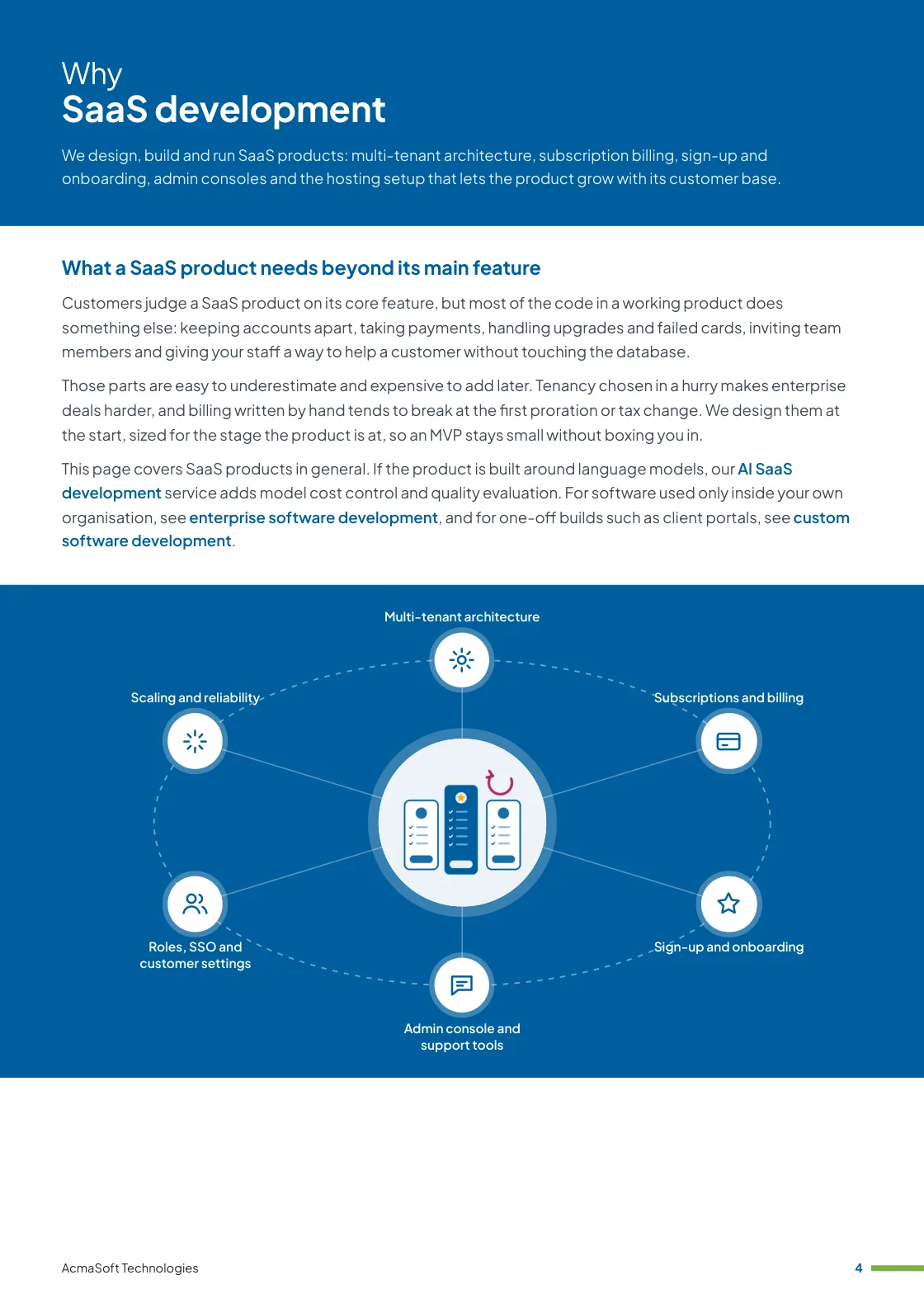
Customers judge a SaaS product on its core feature, but most of the code in a working product does something else: keeping accounts apart, taking payments, handling upgrades and failed cards, inviting team members and giving your staff a way to help a customer without touching the database.
Those parts are easy to underestimate and expensive to add later. Tenancy chosen in a hurry makes enterprise deals harder, and billing written by hand tends to break at the first proration or tax change. We design them at the start, sized for the stage the product is at, so an MVP stays small without boxing you in.
This page covers SaaS products in general. If the product is built around language models, our AI SaaS development service adds model cost control and quality evaluation. For software used only inside your own organisation, see enterprise software development, and for one-off builds such as client portals, see custom software development.
What you get with SaaS development
- Multi-tenant architecture
- Subscriptions and billing
- Sign-up and onboarding
- Admin console and support tools
- Roles, SSO and customer settings
- One named lead from first call to launch
- Support and improvements after launch
More in Software and app development
What our SaaS development covers
Six areas that turn a working feature into a product people can sign up for, pay for and rely on.
-
Multi-tenant architecture
One codebase, many customers
We choose how accounts are separated, from a shared database with a tenant key on every row to a separate schema or database per customer, based on your buyers, data rules and budget.
Tenant checks sit in the data layer rather than in individual screens, and automated tests try to read across accounts on every release.
-
Subscriptions and billing
Plans, trials and invoices
We connect the product to a billing platform such as Stripe, Razorpay, Paddle or Chargebee for plans, free trials, seat or usage pricing, coupons, upgrades with proration and GST or VAT on invoices.
Failed payments trigger reminders and a grace period, so a declined card does not lock a customer out without warning.
-
Sign-up and onboarding
From visitor to active account
Self-serve sign-up, email verification, team invitations, sample data and a first-run checklist that leads new users to the action that shows the product’s value.
We instrument each step so you can see where trial users stop and test changes against the current flow.
-
Admin console and support tools
Running the business behind the product
An internal console for your team to find accounts, change plans, extend trials, switch features on or off and view an account’s activity history.
Support staff can view an account as its user sees it, with consent and an audit record, instead of asking for screenshots.
-
Roles, SSO and customer settings
What business buyers ask for
Roles and permissions inside each customer account, single sign-on through SAML or OpenID Connect, API keys, audit logs and data export.
These features often decide larger deals, so we plan the data model for them early even when they ship later.
-
Scaling and reliability
Ready for more customers
Background job queues, caching, database indexing, rate limits per tenant and infrastructure as code on AWS, Google Cloud or Azure, with monitoring and alerts from the first release.
We load test before major launches and fix the slowest paths first, instead of rebuilding for a scale the product has not reached.
What to look for in a SaaS development company
Many teams can build features. Fewer have run a subscription product after launch. Check for:
-
Experience after launch
A team that has handled billing disputes, data requests, upgrades and outages on a live product, not only first releases.
-
Architecture sized to your stage
Choices that keep an MVP lean while leaving room for tenancy, SSO and scale, explained in plain terms with their trade-offs.
-
Clear ownership
Your company owns the code, cloud accounts, billing account and domain from day one, with documentation that lets another team take over.
Ways to work with us
Choose the model that fits your scope and budget for SaaS development. Many clients start with one and move to another as the work grows.
-
Fixed price
A defined scope delivered for an agreed price and timeline, in milestones you approve.
- Best for
- Clear requirements, a fixed budget and a firm deadline.
- How it is priced
- One agreed price, paid in instalments tied to milestones.
-
Dedicated team
A team with a project lead that works only on your product, on the priorities you set.
- Best for
- Long-term products and roadmaps that change often.
- How it is priced
- A monthly fee per team member, based on role and seniority.
-
Time and material
You pay for the hours worked and can change the scope as you learn, in short iterations.
- Best for
- Requirements that are hard to fix up front, and ongoing improvements.
- How it is priced
- Hourly or daily rates by role, invoiced monthly against logged time.
Need full-stack developers to join your own team instead?
Hire full-stack developersWhat our clients say
More client reviews-
Working with AcmaSoft has been a game-changer for our business. Their web development team exceeded our expectations, delivering a seamless and user-friendly platform. Kudos from London!
John D London -
The AcmaSoft team provided exceptional web development service, ensuring our website is not only visually stunning but also highly responsive. A reliable partner indeed.
Ahmed R Dubai
Related work
See all our work-
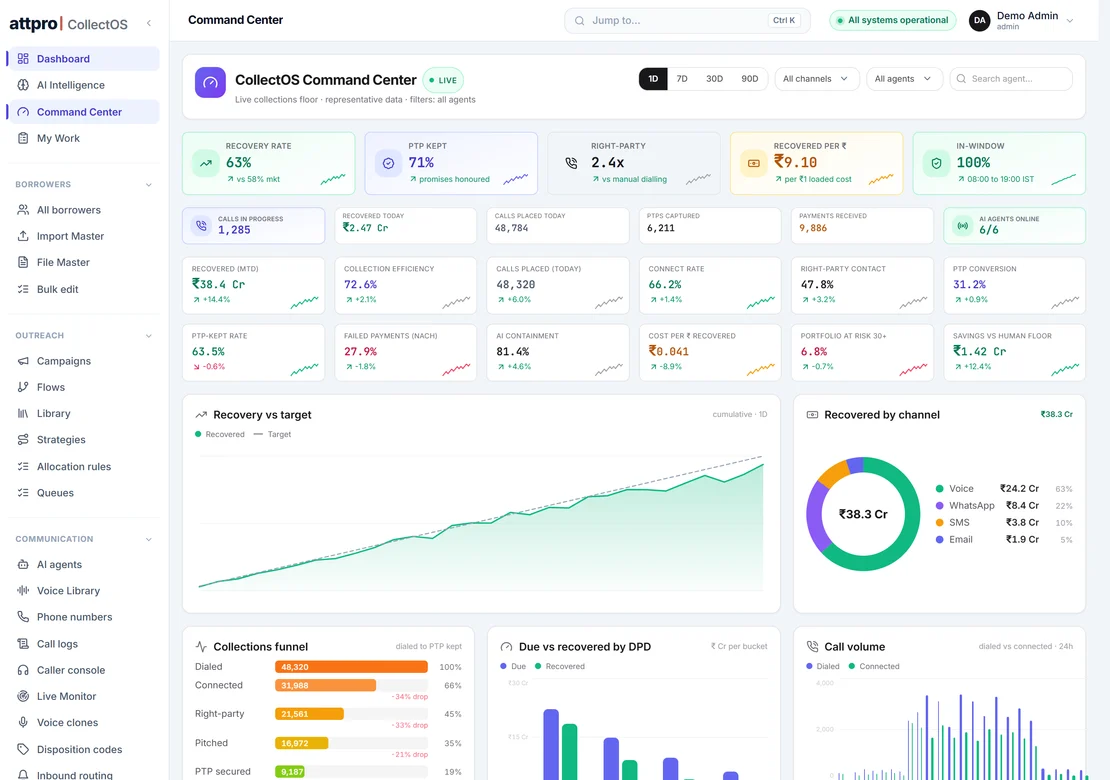 attpro CollectOS
Multi-tenant collections platform for lenders in India, with AI voice, messaging, flows and a field app
Our own product
-
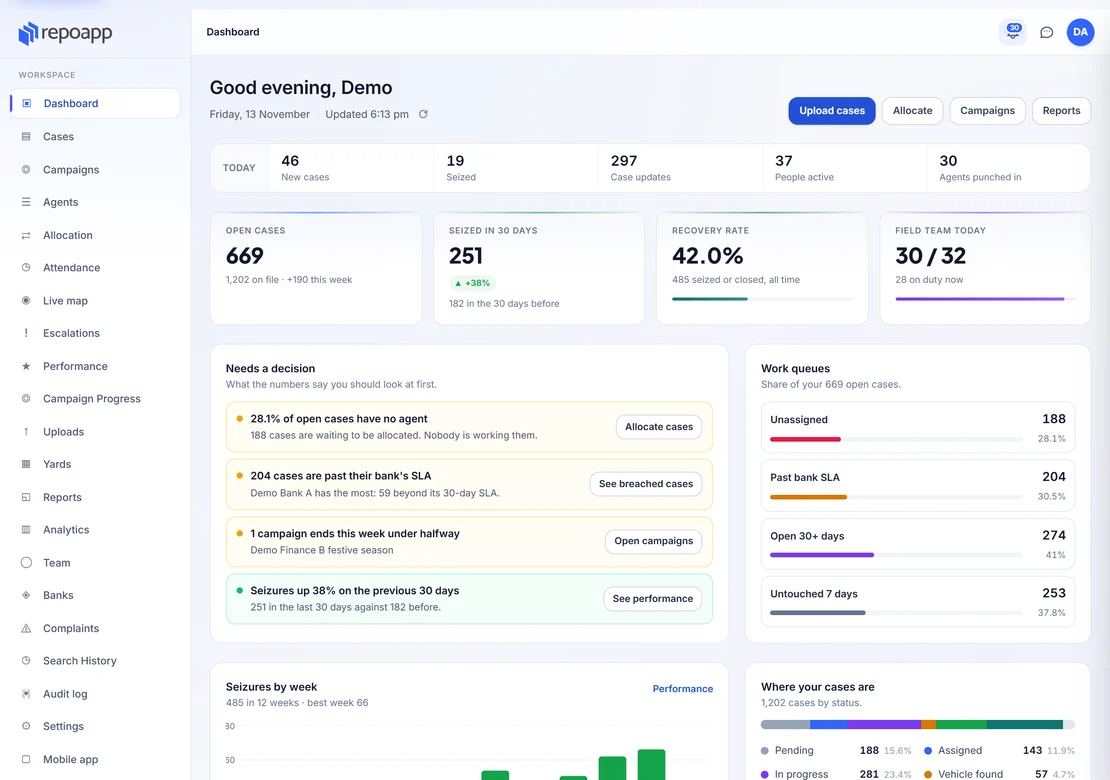 RepoApp web platform
Multi-tenant web platform for vehicle repossession agencies and the lenders that hire them
Our own product
-
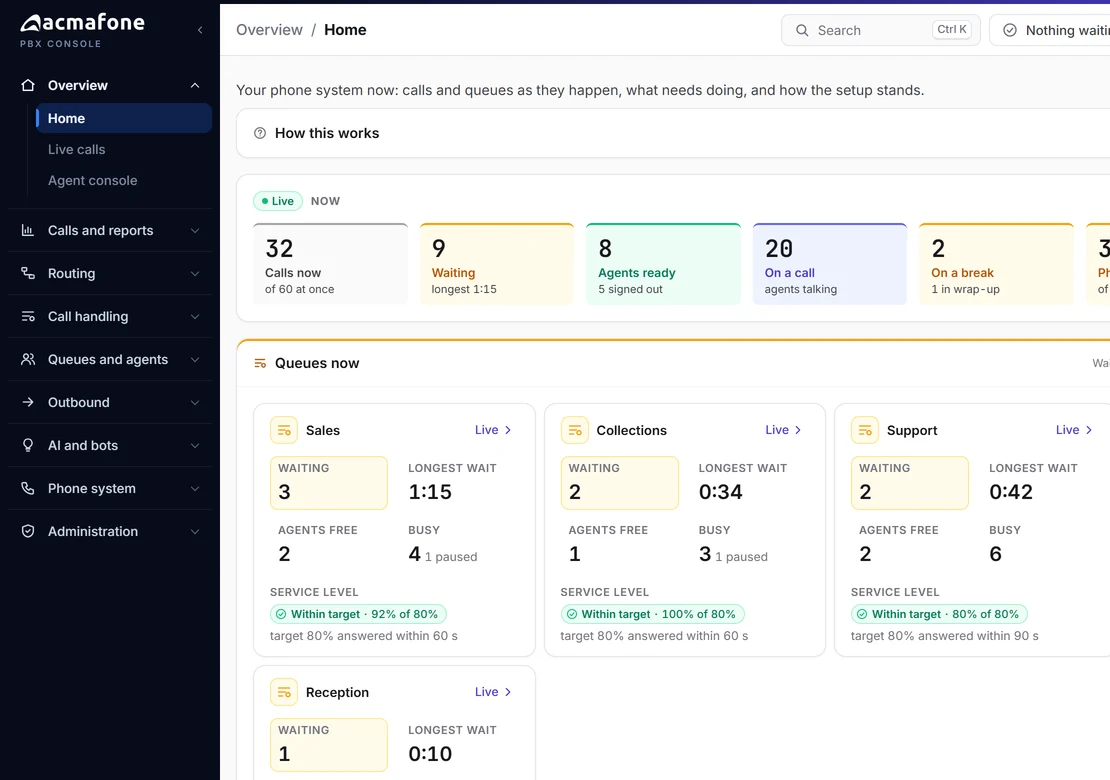 Acmafone PBX
Multi-tenant cloud phone system on Asterisk, with call flows, queues, dialler campaigns and voice bots
Our own product
Industries our software and app development team works in
Our software and app development team builds for businesses in these industries, and we adapt SaaS development to each one's rules, systems and customers.



Technologies we use
We choose the stack for your budget, goals and current systems. Each link explains how we work with that technology or product.
Front end
Cloud and DevOps
Not sure which technology fits your project? Ask one of our architects.
Talk to an architectWorking with international clients
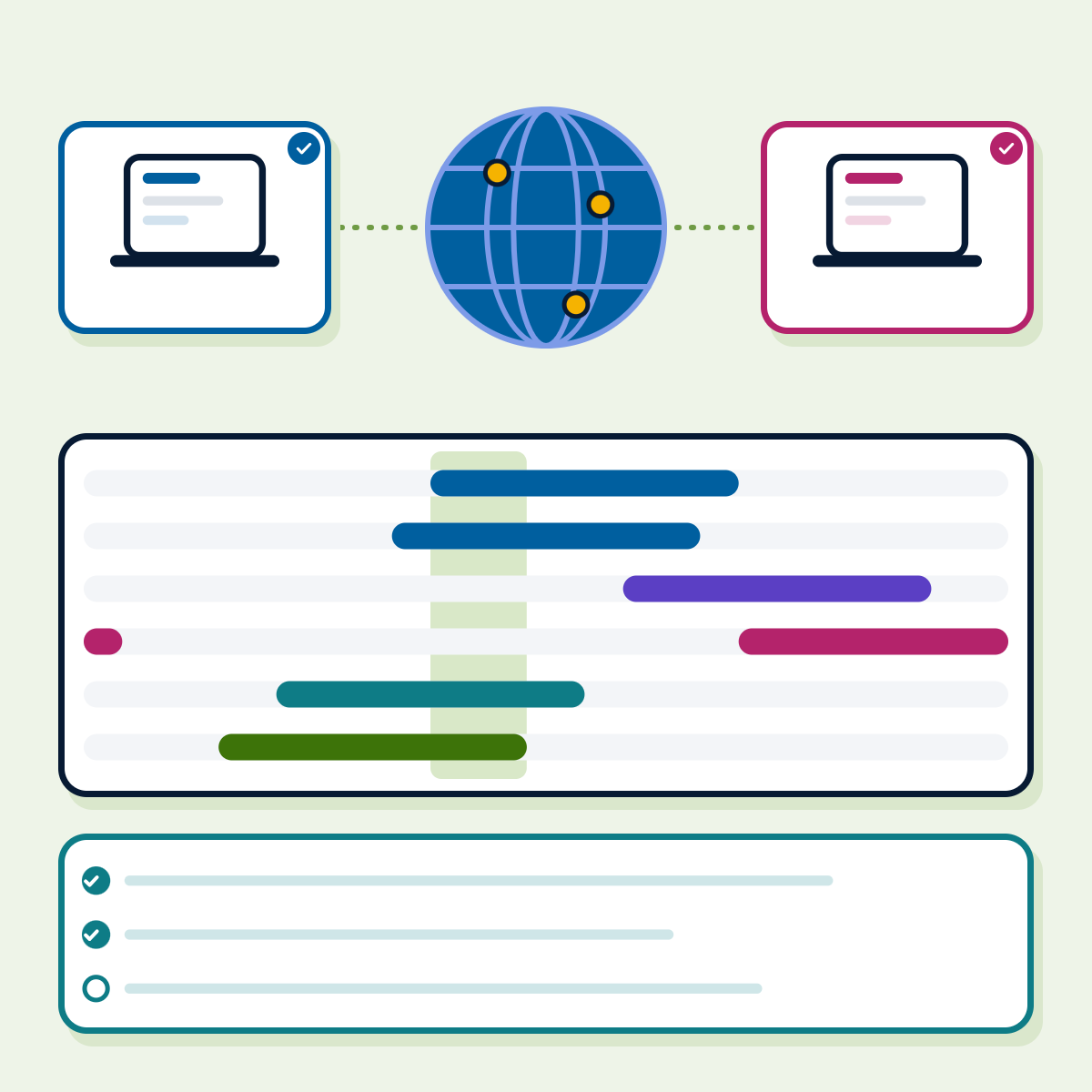
Our team delivers remotely, so the questions that matter are when we can talk and how the work is run. Here are our office hours beside yours.
Our office hours Monday to Saturday, 9:30 am to 6:30 pm India time (IST)
Evening hours for North American clients, by arrangement: Monday to Friday, 6:30 pm to 9:30 pm India time
| Your region | Our hours in your time | Shared working hours |
|---|---|---|
| UKLondon | 4 am to 1 pm | 9 am to 1 pm |
| Central EuropeParis, Berlin | 5 am to 2 pm | 9 am to 2 pm |
| US EastNew York, Toronto | 11 pm to 8 am (next day) Evening hours to 11 am | 9 am to 11 am In our evening hours, by arrangement |
| US WestLos Angeles, Vancouver | 8 pm to 5 am (next day) Evening hours to 8 am | No overlap Early calls 7 am to 8 am, by arrangement |
| GulfDubai, Abu Dhabi | 8 am to 5 pm | 9 am to 5 pm |
| Singapore | 12 noon to 9 pm | 12 noon to 6 pm |
| Australia EastSydney, Melbourne | 3 pm to 12 midnight | 3 pm to 6 pm |
Our day ends before yours starts, so updates are waiting each morning and we agree call times with you.
Times follow daylight saving where your region uses it, against a working day of 9 am to 6 pm. Messages sent outside our hours are picked up when the team is back.
-
Remote delivery
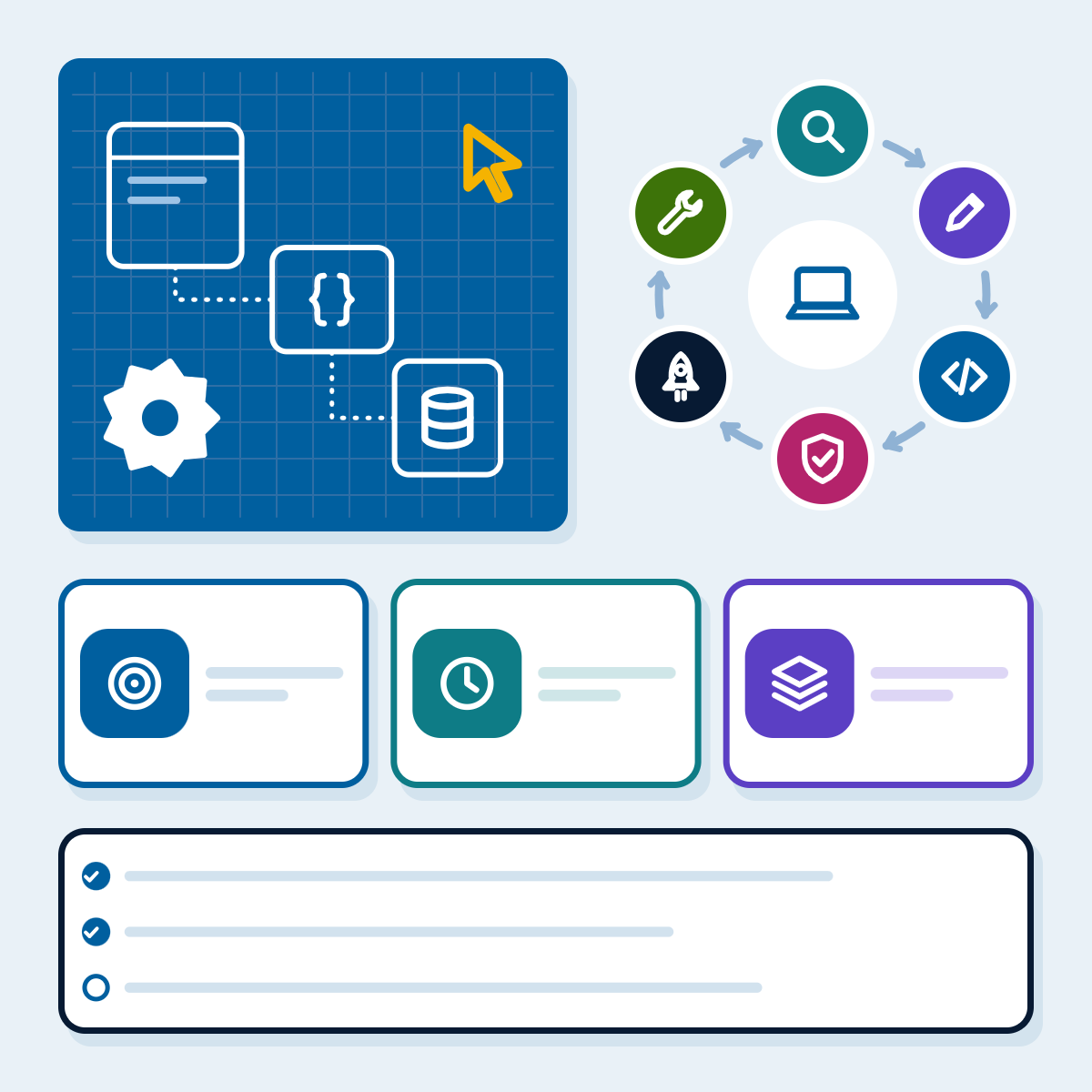
Discovery, design, development and testing run remotely, with one named lead, a demo of working features at the end of each sprint and a staging site you can try.
-
How we stay in touch
Email, video calls and chat such as Slack, Microsoft Teams or WhatsApp, with the hours of overlap and meeting times agreed in the communication plan at the start.
-
Contracts and invoices
Proposals, contracts and invoices are in English and priced in US dollars, or in your own currency on request. A non-disclosure agreement can be signed before you share any details.
-
Privacy laws we design for
We design forms, consent and data handling with the law of your market in mind: GDPR and UK GDPR, CCPA and CPRA, PIPEDA, the UAE PDPL, the Australian Privacy Act, Singapore's PDPA and India's DPDP Act.
Questions about SaaS development
Something else on your mind? Ask us directly and a specialist will reply.
Ask a questionWhich tenancy model should our SaaS product use?
A shared database with a tenant key on every row is the cheapest to run and the simplest to update. A schema or database per customer gives stronger separation and lets you back up or restore one customer on its own, at a higher running cost. Many products start shared and offer a dedicated database on their top plan.
Which technology stack do you use for SaaS products?
We choose per product, commonly Laravel or Node.js with a React or Next.js front end, PostgreSQL or MySQL, and hosting on AWS, Google Cloud or Azure. Your team's skills, the hiring market and the integrations you need weigh more in the choice than fashion.
Can the product take payments in different countries?
Yes. Stripe or Paddle suit card payments in most countries and can handle VAT and sales tax on subscriptions, while Razorpay suits customers paying in rupees, including UPI, and some products use both. Recurring card payments in India follow RBI e-mandate rules, so we design the renewal flow around them.
Can you turn software we install for each client into a SaaS product?
Yes. Moving from single-customer installations to a hosted multi-tenant product usually means adding tenant separation to the data model, central billing and an upgrade path for existing customers. We review the code first and plan the move so current customers are migrated in groups.
Who owns the code and the accounts?
You do. The code repository, cloud accounts, billing platform, domain and any app store accounts are set up in your company's name, and we work in them with access you control and can remove.
Related insights
All insights-
 16 Nov 2026
How to hire dedicated developers: models, vetting, contracts and costs
A buyer guide to hiring dedicated developers: choosing the engagement model, where to find developers, vetting and a scorecard, contract…
-
 16 Nov 2026
Custom software development: process, team, costs and contracts
How a custom software project should run, from discovery to support: the team at each phase, what drives the cost,…
-
 13 Nov 2026
Outsourcing vs in-house software development: how to decide
Compare in-house and outsourced software development on control, cost, skills and risk, with a decision flow, a three-year cost structure…
SaaS development brochure
We design, build and run SaaS products: multi-tenant architecture, subscription billing, sign-up and onboarding, admin consoles and the hosting setup that lets the product grow with its customer base.
Inside this brochure
- What a SaaS product needs beyond its main feature
- What our SaaS development covers
- How a SaaS project runs
- Technologies and solutions
- 2.3 MB
- 10 pages
- Services
You have downloaded from us before, so this one needs no form.
Get the brochure
Tell us who you are and the download starts straight away. We remember you on this device for 90 days, so you only fill this in once.
Your download has started.
If it does not start, download the brochure here. The links work for 15 minutes.
- Your reference
- Brochure
What you can do next
- Read it and share itShare the brochure with your team before you get in touch. It is free to read and share.
- Get a quote when you are readySix short questions on our request a quote page, and a reply within one business day.
Start your SaaS development project
Tell us what you are planning and a specialist will reply with next steps, a rough timeline and the questions we need answered.
- Emailsales@acmasoft.com
- Call+1 (707) 706 4092
- Prefer a call?
Thank you, your message is on its way.
It has reached our sales team, together with the page you sent it from.
- Your reference
- Budget
While we prepare your reply, here is the SaaS development brochure.
Download the brochure, SaaS development brochure, PDF, 2.3 MBWhat happens next
- A specialist gets in touchWithin one business day, by email or phone, with any questions about what you need.
- We talk it throughA short call about your goals, users, timeline and budget. We can sign an NDA first.
- You get a proposalScope, team, timeline and cost, with the engagement model that fits the work.