

AI recommendation engine development for e-commerce, content and media
At AcmaSoft, we build recommendation systems that suggest the products, articles or videos each visitor is most likely to want, using collaborative filtering, embeddings and your business rules, and prove their value with A/B tests.

- Years of experience
- 17+
- Clients served
- 650+
- Projects delivered
- 2,000+
- Products shipped
- 300+
What good recommendations do
Large catalogues and content libraries have a discovery problem. Visitors see a small part of what you offer, and a list of best sellers or newest items treats every visitor the same.
A recommendation engine learns from behaviour, such as views, purchases, ratings and time spent, and from the items themselves, to rank what each person sees on home pages, product pages, carts, emails and in-app feeds. Business rules then make sure suggestions respect stock, margins, age limits and editorial choices.
This is a specialised branch of our machine learning development work. For online stores we build it into the platforms covered by our e-commerce development service.
What you get with AI recommendation engine development
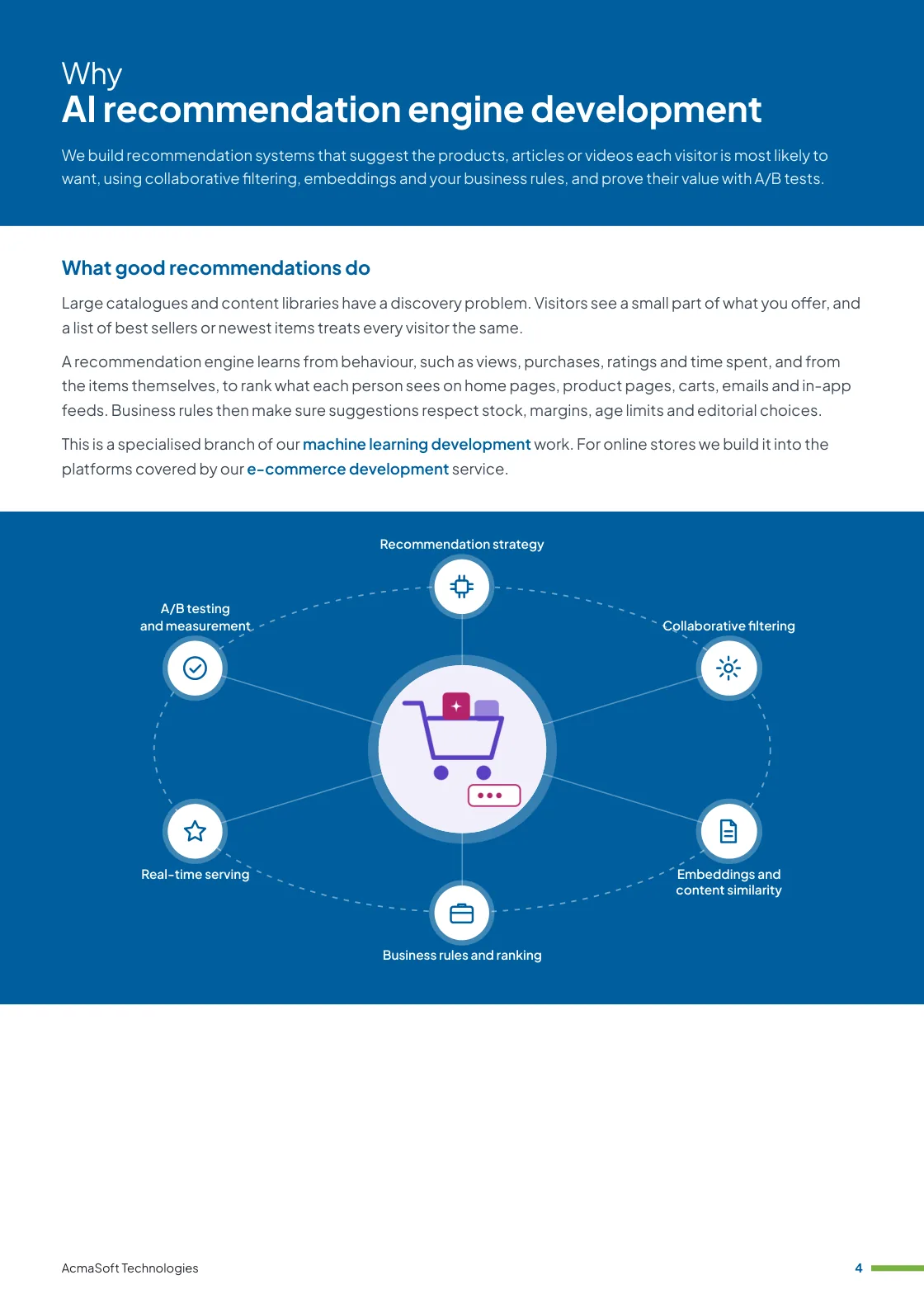
- Recommendation strategy
- Collaborative filtering
- Embeddings and content similarity
- Business rules and ranking
- Real-time serving
- One named lead from first call to launch
- Support and improvements after launch
More in AI and automation
What our recommendation engine development includes
Six building blocks, combined to suit your catalogue size, traffic and the data you collect.
-
Recommendation strategy
Placements and goals
We decide where recommendations appear, such as similar items, frequently bought together, recently viewed, personalised home feeds or follow-up emails.
Each placement gets its own goal, such as clicks, basket size or watch time.
-
Collaborative filtering
Learning from behaviour
Models that find patterns in what similar users viewed, bought or rated, using matrix factorisation or neural approaches.
They surface items people would rarely find by browsing categories.
-
Embeddings and content similarity
Understanding the items
We turn product descriptions, attributes, images and article text into embeddings, so the engine can match similar items and recommend new ones that have no history yet.
The same method helps with first-time visitors, the cold start problem every recommender faces.
-
Business rules and ranking
Your priorities included
Out-of-stock items, excluded categories, margin targets, brand boosts and editorial picks are applied on top of the model’s ranking.
Diversity rules stop a page filling up with near-identical items.
-
Real-time serving
Fast enough for every page
Recommendations are served through an API or your platform’s extension system, with caching and fallbacks so pages stay fast and never show an empty block.
We integrate with Shopify, WooCommerce, Magento, custom stores and media apps.
-
A/B testing and measurement
Proof it works
Every new model or placement is tested against the current version on a share of traffic, measuring clicks, conversion, revenue per visitor or engagement.
Only changes that win on the agreed measure are rolled out to everyone.
What to look for in a recommendation engine developer
Recommendation projects succeed on data and testing more than on clever algorithms. Look for:
-
Experiment discipline
A habit of A/B testing every change against a clear success measure, rather than judging recommendations by how they look.
-
Platform integration skills
Experience fitting recommendations into your store or app front end without slowing pages down.
-
Privacy by design
Tracking that follows consent rules, data limited to what the models need and a clear way for users to see why items are shown.
Ways to work with us
Choose the model that fits your scope and budget for AI recommendation engine development. Many clients start with one and move to another as the work grows.
-
Fixed price
A defined scope delivered for an agreed price and timeline, in milestones you approve.
- Best for
- Clear requirements, a fixed budget and a firm deadline.
- How it is priced
- One agreed price, paid in instalments tied to milestones.
-
Dedicated team
A team with a project lead that works only on your product, on the priorities you set.
- Best for
- Long-term products and roadmaps that change often.
- How it is priced
- A monthly fee per team member, based on role and seniority.
-
Time and material
You pay for the hours worked and can change the scope as you learn, in short iterations.
- Best for
- Requirements that are hard to fix up front, and ongoing improvements.
- How it is priced
- Hourly or daily rates by role, invoiced monthly against logged time.
Need AI and LLM developers to join your own team instead?
Hire AI and LLM developersWhat our clients say
More client reviews-
Collaborating with AcmaSoft using agile methods has been a pleasure. Their team's adaptability and communication ensure a smooth development journey.
Rahul S Bangalore -
AcmaSoft delivered software solutions that streamlined our operations. Their attention to detail and commitment to quality set them apart.
Michael L Berlin
Industries our AI and automation team works in
Our AI and automation team builds for businesses in these industries, and we adapt AI recommendation engine development to each one's rules, systems and customers.


Technology we use
We choose the stack for your budget, goals and current systems. Each link explains how we work with that technology or product.
E-commerce
Not sure which technology fits your project? Ask one of our architects.
Talk to an architectWorking with international clients
Our team delivers remotely, so the questions that matter are when we can talk and how the work is run. Here are our office hours beside yours.
Our office hours Monday to Saturday, 9:30 am to 6:30 pm India time (IST)
Evening hours for North American clients, by arrangement: Monday to Friday, 6:30 pm to 9:30 pm India time
| Your region | Our hours in your time | Shared working hours |
|---|---|---|
| UKLondon | 4 am to 1 pm | 9 am to 1 pm |
| Central EuropeParis, Berlin | 5 am to 2 pm | 9 am to 2 pm |
| US EastNew York, Toronto | 11 pm to 8 am (next day) Evening hours to 11 am | 9 am to 11 am In our evening hours, by arrangement |
| US WestLos Angeles, Vancouver | 8 pm to 5 am (next day) Evening hours to 8 am | No overlap Early calls 7 am to 8 am, by arrangement |
| GulfDubai, Abu Dhabi | 8 am to 5 pm | 9 am to 5 pm |
| Singapore | 12 noon to 9 pm | 12 noon to 6 pm |
| Australia EastSydney, Melbourne | 3 pm to 12 midnight | 3 pm to 6 pm |
Our day ends before yours starts, so updates are waiting each morning and we agree call times with you.
Times follow daylight saving where your region uses it, against a working day of 9 am to 6 pm. Messages sent outside our hours are picked up when the team is back.
-
Remote delivery
Discovery, design, development and testing run remotely, with one named lead, a demo of working features at the end of each sprint and a staging site you can try.
-
How we stay in touch
Email, video calls and chat such as Slack, Microsoft Teams or WhatsApp, with the hours of overlap and meeting times agreed in the communication plan at the start.
-
Contracts and invoices
Proposals, contracts and invoices are in English and priced in US dollars, or in your own currency on request. A non-disclosure agreement can be signed before you share any details.
-
Privacy laws we design for
We design forms, consent and data handling with the law of your market in mind: GDPR and UK GDPR, CCPA and CPRA, PIPEDA, the UAE PDPL, the Australian Privacy Act, Singapore's PDPA and India's DPDP Act.
Questions about AI recommendation engine development
Something else on your mind? Ask us directly and a specialist will reply.
Ask a questionHow much data does a recommendation engine need?
Behaviour-based methods need enough views, clicks or purchases to find patterns, which depends on your traffic and catalogue. With little history we start from item similarity and popularity rules, and add collaborative models as data builds up.
How do you recommend new products with no sales yet?
With content-based methods. Embeddings of each item's description, attributes and images let the engine place a new product beside similar ones from its first day in the catalogue.
Can we use the recommendations built into Shopify or another platform instead?
Built-in and app store recommendation tools are a sensible first step for many stores. A custom engine is worth considering when you need your own business rules, recommendations across web, app and email, or when tests show the standard tools are not improving results.
How do you prove the engine increases sales or engagement?
With A/B tests. Part of your traffic sees the new recommendations and the rest sees the current version, and we compare conversion, revenue per visitor or engagement over a period long enough to trust the result.
Does personalisation raise privacy concerns?
It can, so we use behaviour data only where visitors have consented, keep personal data to the minimum the models need and follow the privacy laws that apply to you, such as the GDPR or India's DPDP Act.
Related insights
All insights-
 16 Nov 2026
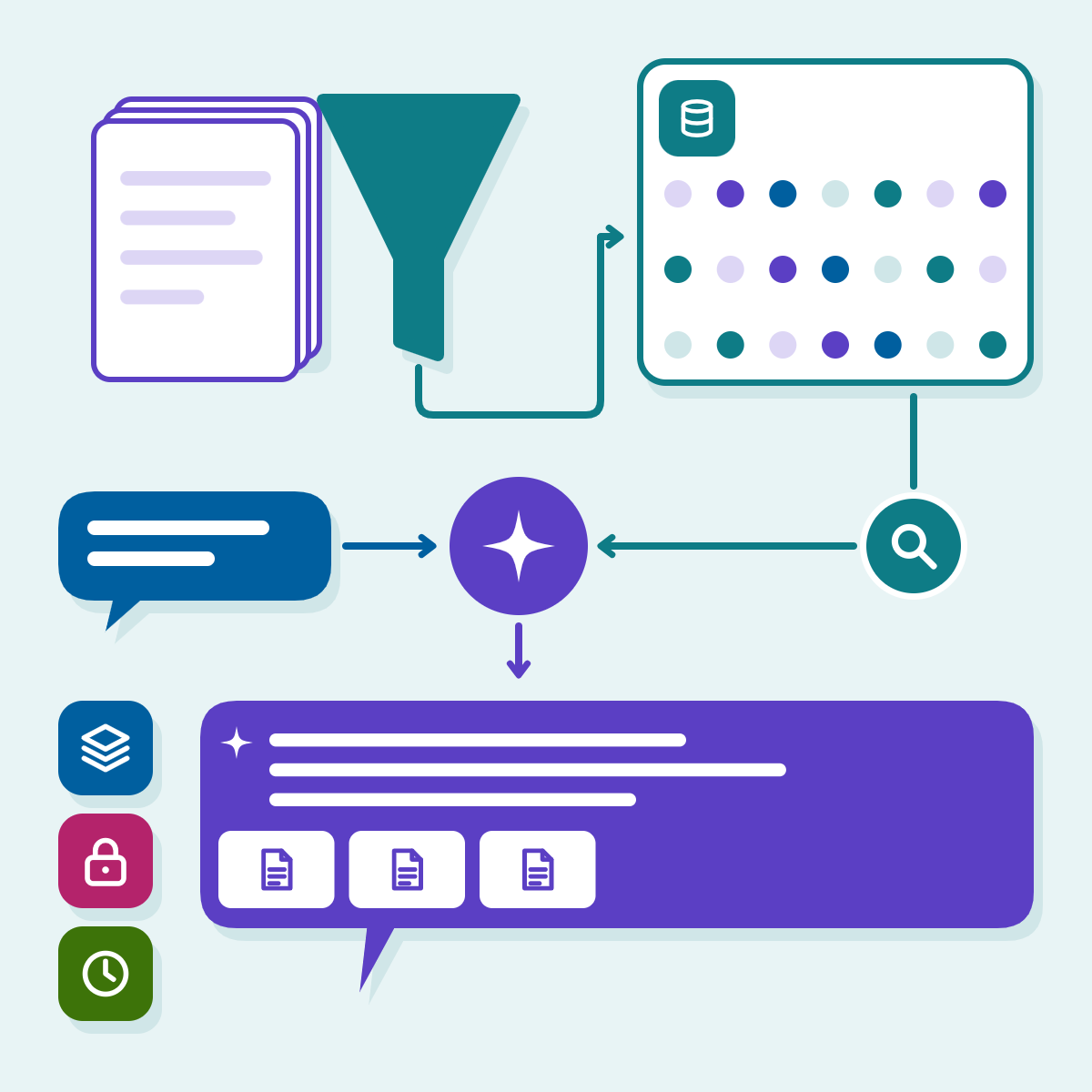
RAG explained: how retrieval-augmented generation works and when a business needs it
A plain walk-through of retrieval-augmented generation, a minimal pgvector query, the decisions that decide quality (chunking, permissions, freshness, evaluation) and…
-
 16 Nov 2026
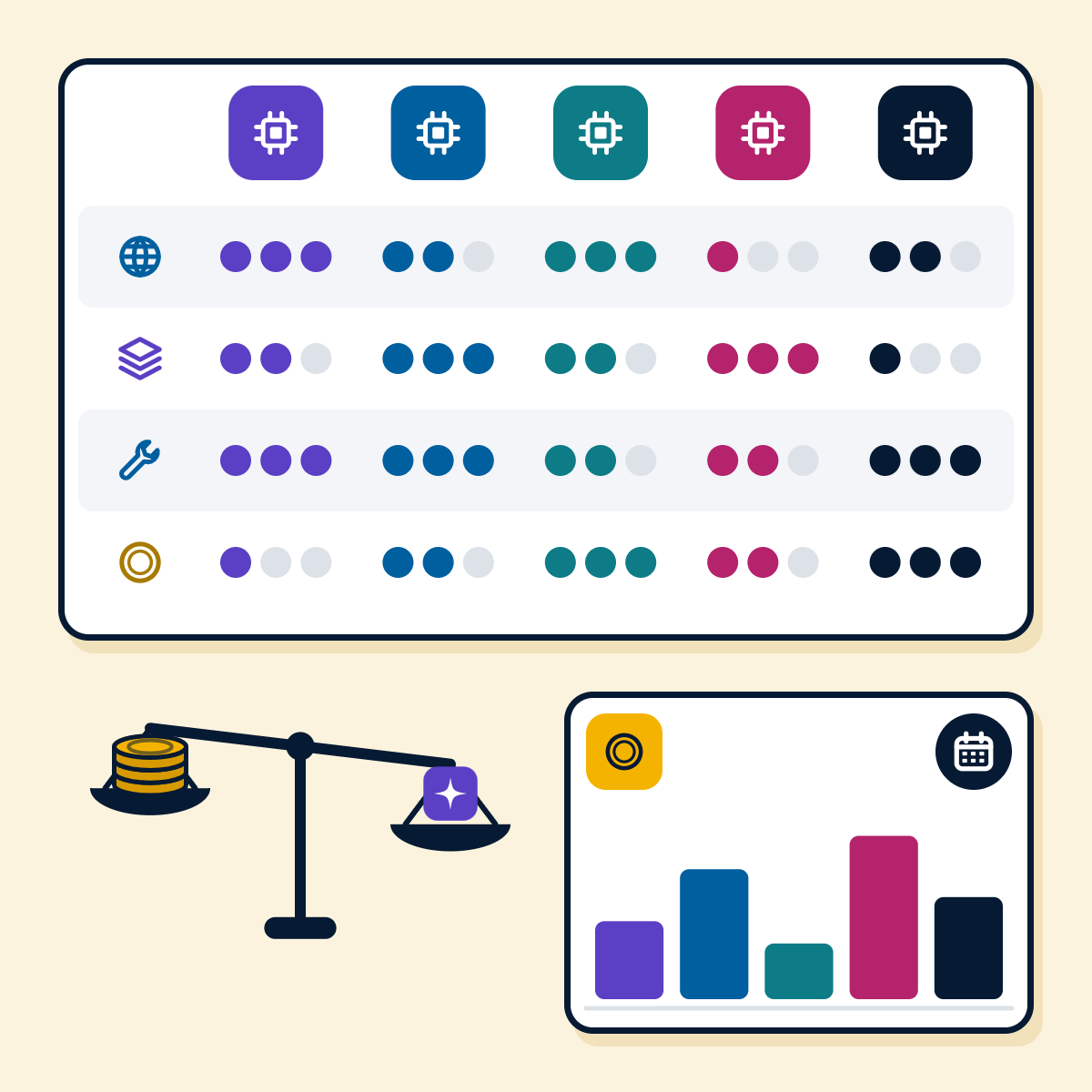
Choosing an LLM in 2026: GPT, Claude, Gemini, Llama and Mistral compared for business use
GPT, Claude, Gemini, Llama and Mistral compared on what decides a business project: price per million tokens, context, tool use,…
-
 16 Nov 2026
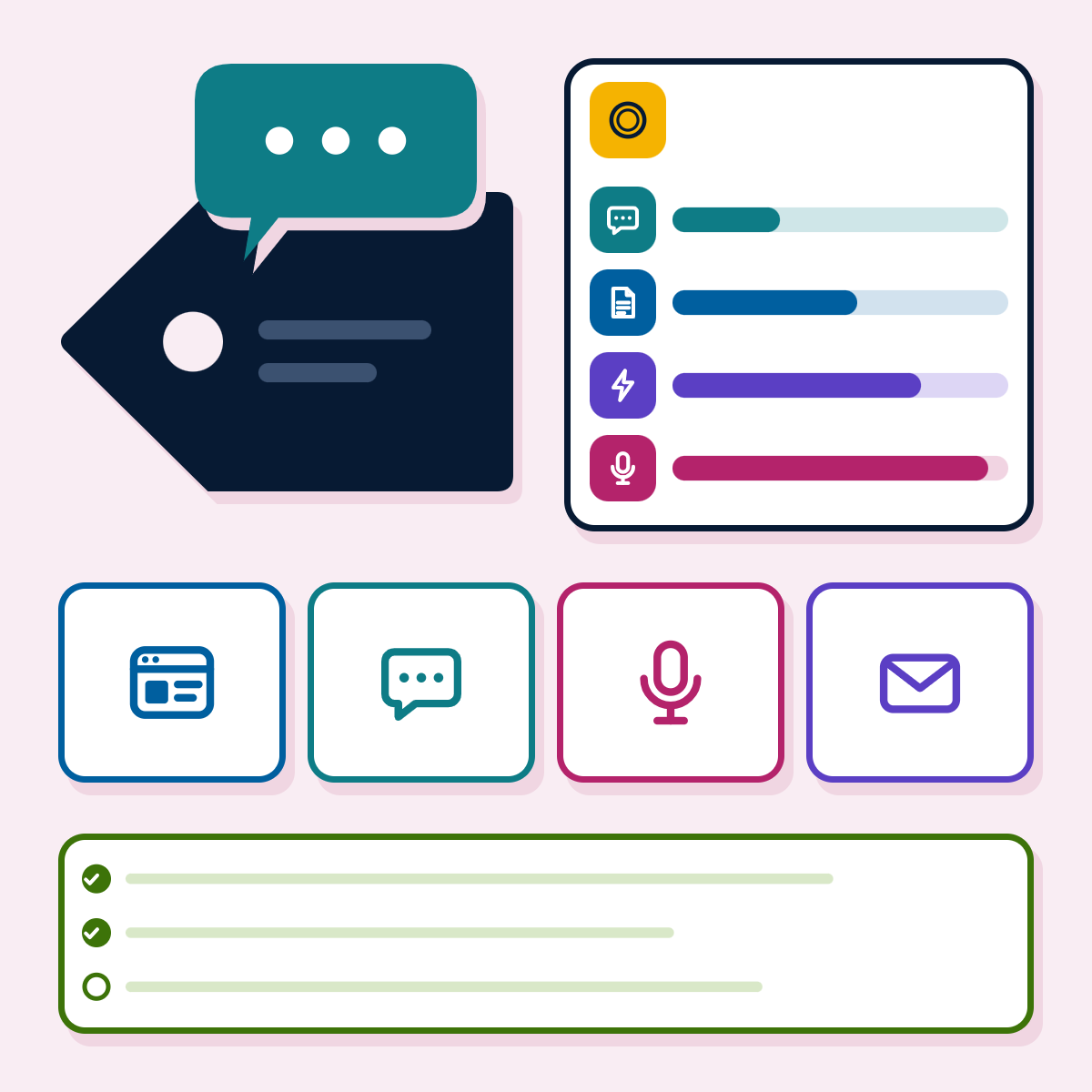
Chatbot development cost in 2026: a breakdown by type and channel
What drives the build and run cost of a chatbot by type and channel, with model prices and WhatsApp pricing…
AI recommendation engine development brochure
We build recommendation systems that suggest the products, articles or videos each visitor is most likely to want, using collaborative filtering, embeddings and your business rules, and prove their value with A/B tests.
Inside this brochure
- What good recommendations do
- What our recommendation engine development includes
- How a recommendation engine project runs
- Technologies and solutions
- 2.6 MB
- 10 pages
- AI and automation
You have downloaded from us before, so this one needs no form.
Get the brochure
Tell us who you are and the download starts straight away. We remember you on this device for 90 days, so you only fill this in once.
Your download has started.
If it does not start, download the brochure here. The links work for 15 minutes.
- Your reference
- Brochure
What you can do next
- Read it and share itShare the brochure with your team before you get in touch. It is free to read and share.
- Get a quote when you are readySix short questions on our request a quote page, and a reply within one business day.
Start your AI recommendation engine development project
Tell us what you are planning and a specialist will reply with next steps, a rough timeline and the questions we need answered.
- Emailsales@acmasoft.com
- Call+1 (707) 706 4092
- Prefer a call?
Thank you, your message is on its way.
It has reached our sales team, together with the page you sent it from.
- Your reference
- Budget
While we prepare your reply, here is the AI recommendation engine development brochure.
Download the brochure, AI recommendation engine development brochure, PDF, 2.6 MBWhat happens next
- A specialist gets in touchWithin one business day, by email or phone, with any questions about what you need.
- We talk it throughA short call about your goals, users, timeline and budget. We can sign an NDA first.
- You get a proposalScope, team, timeline and cost, with the engagement model that fits the work.