

Hire DevOps engineers
AcmaSoft's DevOps engineers set up CI/CD pipelines, containers and cloud infrastructure on AWS or Azure, described in Terraform, with monitoring and alerts so problems are found early and releases can be rolled back.
Download the DevOps and CI/CD services brochure
- Interview before they start
- Full time, part time or a team
- Works in your tools
- Scale up or down any month
Experienced DevOps engineers for your project
Our DevOps engineers automate how your software is built, tested and released, and keep the servers and cloud services behind it stable.
They set up CI/CD pipelines in GitHub Actions, GitLab CI or Azure DevOps, package applications in Docker, run them on Kubernetes or managed cloud services, and describe infrastructure as code with Terraform.
With monitoring, logs and alerts in place, your team can release more often with fewer manual steps.
What you get when you hire DevOps engineers
- Profiles matched to your stack and project
- Interviews with the people you shortlist
- A developer on your priorities from day one
- A project lead when you need one
- Monthly engagement you can extend or end
Works with
Services they work on
Skills our DevOps engineers bring
-

CI/CD pipelines
Automated build, test and deployment pipelines in GitHub Actions, GitLab CI, Jenkins or Azure DevOps.
-

Docker and Kubernetes
Containerized applications with Docker, run on Kubernetes, Amazon ECS or Azure Container Apps with scaling rules.
-

Cloud infrastructure
AWS and Azure environments described in Terraform, with networking, databases, backups and access control.
-

Monitoring and alerts
Metrics, logs and alerts with tools such as Prometheus, Grafana, Amazon CloudWatch or Azure Monitor.
Why hire DevOps engineers from AcmaSoft
Our DevOps engineers work as part of your team, backed by 17+ years of delivery, so you get the skills you need without the time and cost of hiring.
-

Faster, safer releases
Every change runs through the same automated build and tests before it reaches production. Releases become routine instead of late-night events, and a faulty release can be rolled back quickly.
-

Infrastructure as code
Servers, networks and permissions are defined in version-controlled files rather than set up by hand. Development, testing and production environments stay consistent, and changes are reviewed like code. If an environment is lost, it can be rebuilt from the same files.
-

Security and cost control
We apply least-privilege access, keep secrets out of code, patch container images and back up data. We also review cloud usage and right-size resources, so you pay for what you actually use.
-

Support and maintenance
After setup we maintain pipelines and infrastructure, upgrade Kubernetes and other components, and respond to alerts. Runbooks and documentation stay with your team, so nothing depends on one person.
Ways to hire DevOps engineers
Pick the model that fits the work today. You can move between them as your product and plans change.
-
Dedicated DevOps engineer
One specialist working full time on your product, as part of your team.
- Full time, on your priorities
- Works in your tools and processes
- Direct communication, daily updates
- Monthly engagement you can extend
-
Part-time or hourly
Flexible hours for maintenance, smaller features or a second pair of hands.
- A block of hours each month
- Ideal for support and small changes
- Same specialist every time
- Scale up to full time when needed
-
Dedicated team
DevOps engineers with a project lead, designers and testers, working only on your product.
- A project lead who reports to you
- Design, development and testing together
- Agreed sprint plan and demos
- Grow or reduce the team as work changes
Seniority levels for DevOps engineers
We suggest the level that fits the work, and the monthly fee follows the role and seniority. One team can mix levels.
-
Mid-level
Maintains pipelines, container builds and Terraform modules, handles routine deployments and alerts, and fixes build failures, following the setup a senior has designed.
-
Senior
Designs CI/CD pipelines and cloud environments, moves applications onto containers and Kubernetes, sets up monitoring and backups, and reviews infrastructure changes.
-
Lead
Shapes the cloud architecture, security and cost approach across environments, plans migrations between platforms, sets release practices and guides engineers and developers on them.
Working with international clients
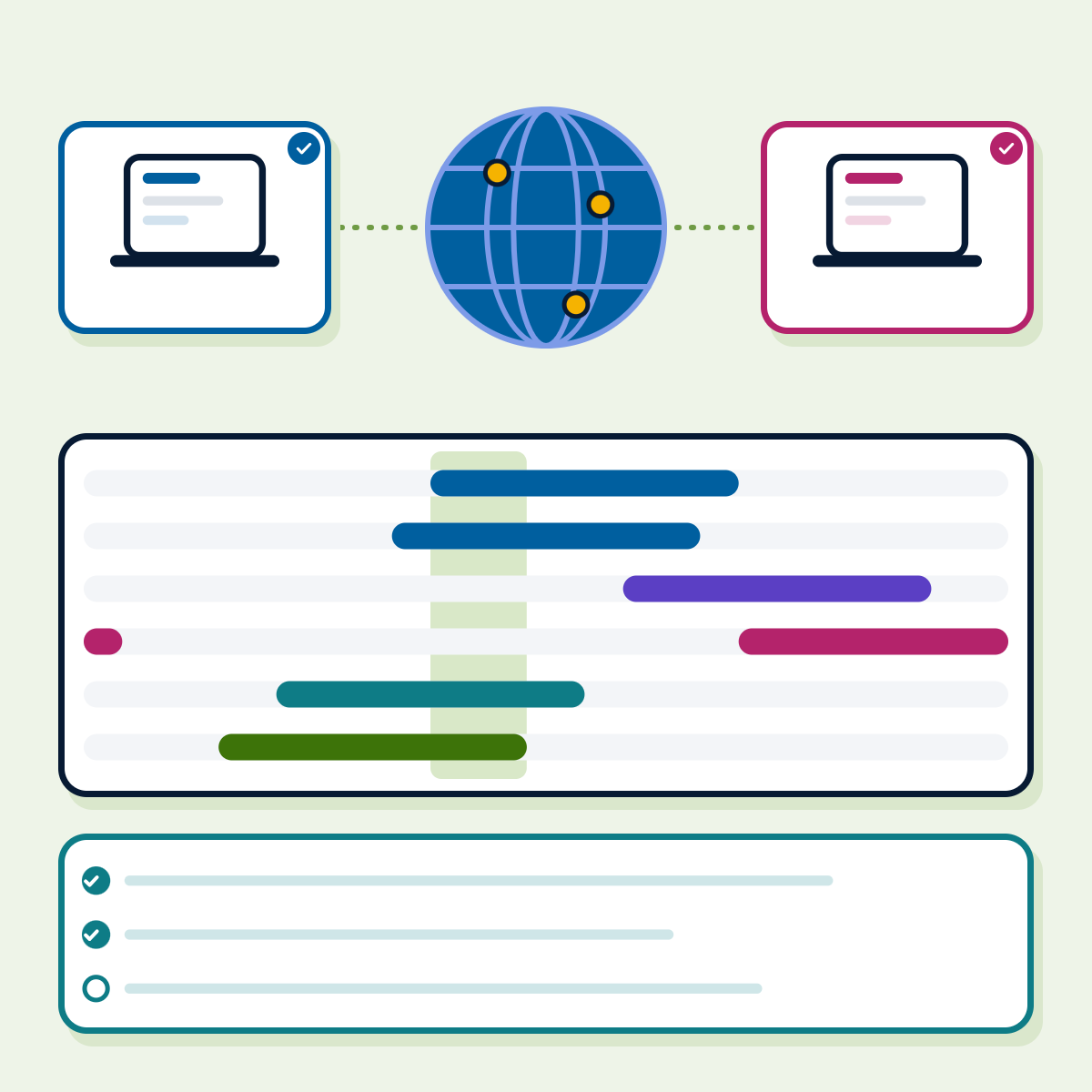
Our team delivers remotely, so the questions that matter are when we can talk and how the work is run. Here are our office hours beside yours.
Our office hours Monday to Saturday, 9:30 am to 6:30 pm India time (IST)
Evening hours for North American clients, by arrangement: Monday to Friday, 6:30 pm to 9:30 pm India time
| Your region | Our hours in your time | Shared working hours |
|---|---|---|
| UKLondon | 4 am to 1 pm | 9 am to 1 pm |
| Central EuropeParis, Berlin | 5 am to 2 pm | 9 am to 2 pm |
| US EastNew York, Toronto | 11 pm to 8 am (next day) Evening hours to 11 am | 9 am to 11 am In our evening hours, by arrangement |
| US WestLos Angeles, Vancouver | 8 pm to 5 am (next day) Evening hours to 8 am | No overlap Early calls 7 am to 8 am, by arrangement |
| GulfDubai, Abu Dhabi | 8 am to 5 pm | 9 am to 5 pm |
| Singapore | 12 noon to 9 pm | 12 noon to 6 pm |
| Australia EastSydney, Melbourne | 3 pm to 12 midnight | 3 pm to 6 pm |
Our day ends before yours starts, so updates are waiting each morning and we agree call times with you.
Times follow daylight saving where your region uses it, against a working day of 9 am to 6 pm. Messages sent outside our hours are picked up when the team is back.
-
Remote, in your tools
Your specialist works remotely in your repository, task board and chat, joins your stand-ups and reviews, and keeps to the hours of overlap agreed with you.
-
Contracts and invoices
A monthly fee per person by role and seniority, set out in the proposal and invoiced in US dollars, or in your own currency on request.
-
Confidentiality and ownership
A non-disclosure agreement can be signed before you share details. The code and project files are yours once the related invoices are paid.
-
Your data, your rules
Specialists work only with the access you grant and follow your security policies, with test or anonymised data wherever possible.
How hiring works
From the first call to a DevOps engineer working on your product.
-
First inquiry
Contact us by email, phone or the form on this page and tell us you want to hire a DevOps engineer.
-
Introduction and project summary
Share a short overview of your company and project, its goals and the skills you are looking for.
-
Discussion of technical requirements
Discuss your applications, current hosting, cloud provider, release process and the problems you want to solve first.
-
Experience and skills
Agree the skills you need, such as AWS or Azure, Docker, Kubernetes, Terraform, a CI/CD tool and Linux administration.
-
Project scope and timeline
Agree the scope of work and the expected timeline, so we can suggest the right experience level and hours.
-
Proposal and quotation
We send a written proposal with the profile, hours, engagement model and monthly cost.
-
Contract and agreement
Once you accept the proposal, we sign a contract covering terms, milestones, payment and confidentiality.
-
Choosing your DevOps engineer
We share profiles that match your requirements, and you interview the people you like before anyone starts.
-
Orientation and onboarding
Give the DevOps engineer access to your code, tools and documentation, and walk them through your goals and workflow.
-
Work kick-off
Work starts on your priorities, with communication channels and a project board set up from the first day.
-
Progress updates
Regular status updates, code reviews and demos keep you informed of progress and next steps.
-
Handover and delivery
Each change is tested in a staging environment first, and documentation and runbooks are handed over with the work.
Ready to meet your DevOps engineer?
Talk to a hiring specialistWhat our clients say
-
Behind every success is a great team great results and AcmaSoft proves it. Their collective efforts have been the driving force behind our hosting and support success.
Priya S Bangalore -
AcmaSoft's hosting services are a cornerstone of our online presence. The reliability and speed of their servers have made a significant impact on our website's performance.
Jessica A Sydney
Questions about hiring DevOps engineers
Something else on your mind? Ask us directly and a specialist will reply.
Ask a questionHow much does it cost to hire a DevOps engineer?
What a DevOps engineer costs depends on seniority, your cloud (AWS or Azure), whether you run Kubernetes, how many environments and pipelines there are, and the hours and months you need. Ongoing support can be part time. The proposal sets out a monthly fee for the engineer, based on role and seniority.
How soon can a DevOps engineer start?
On a call we look at your cloud setup, pipelines and the problems you want solved. We then share DevOps profiles, you interview and choose, and once you approve the engineer the start date is fixed in the proposal.
What should we test when interviewing a DevOps engineer?
Ask them to describe a pipeline they built in GitHub Actions, GitLab CI or Azure DevOps, how they structure Terraform, and how they run containers on Kubernetes or Amazon ECS. Discuss the alerts they would set up and how they roll back a bad release. You interview each shortlisted engineer before anyone starts.
What if the DevOps engineer is not the right fit?
Tell us and we discuss what is missing with you. When a change makes sense, we handle the replacement and propose another DevOps engineer for you to interview. Infrastructure code and pipeline definitions stay in your repository, and the outgoing engineer hands over access and notes.
How does a DevOps engineer work with our team?
Your DevOps engineer works in your repository and cloud accounts with the access you grant, makes infrastructure changes through Terraform and pull requests, and takes tasks from your board. They join stand-ups, share alerts in your Slack and work agreed hours of overlap with your time zone.
Related insights
All insights-
 16 Nov 2026
How to hire dedicated developers: models, vetting, contracts and costs
A buyer guide to hiring dedicated developers: choosing the engagement model, where to find developers, vetting and a…
-
 13 Nov 2026
Outsourcing vs in-house software development: how to decide
Compare in-house and outsourced software development on control, cost, skills and risk, with a decision flow, a three-year…
Hire specialists for every part of your product
All hiring options- Hire AI and LLM developers AcmaSoft's AI and LLM developers add large language models to your product, from chat assistants and document search to agents that work with your own data and systems, with tests that keep answer quality measurable.
-
Hire DevOps engineers AcmaSoft's DevOps engineers set up CI/CD pipelines, containers and cloud infrastructure on AWS or Azure, described in Terraform, with monitoring and alerts so problems are found early and releases can be rolled back. You are here
- Hire iOS developers AcmaSoft's iOS developers build native iPhone and iPad apps in Swift and SwiftUI, using Apple frameworks such as Apple Pay and HealthKit, from first release on the App Store to updates for every new version of iOS.
- Hire Android developers AcmaSoft's Android developers build, test and release native apps in Kotlin and Jetpack Compose, from device features and offline data to Play Console releases, working full time, part time or as a dedicated team.
- Hire Flutter developers AcmaSoft's Flutter developers build iOS and Android apps from one Dart code base, with Riverpod or Bloc for state and tests at every layer, so you launch on both stores sooner and maintain one product.
- Hire React Native developers AcmaSoft's React Native developers build one app for iPhone and Android from a single JavaScript or TypeScript code base, on Expo or the bare workflow, sharing skills and code with your React web team.
- Hire mobile app developers AcmaSoft's mobile app developers design, build and release iOS, Android and cross-platform apps in Swift, Kotlin, Flutter or React Native, and keep them updated after launch, with the back end built by the same team when needed.
- Hire full-stack developers AcmaSoft's full-stack developers build complete features from database to interface, on the MERN stack, Next.js or Laravel with React or Vue, including sign-in, payments, deployment and automated tests.
- Hire PHP developers AcmaSoft's PHP developers build and maintain web applications, portals and APIs in modern, typed PHP with Laravel or Symfony, and upgrade older code and frameworks to PHP 8, adding tests along the way.
- Hire Laravel developers AcmaSoft's Laravel developers build web applications, APIs and SaaS products in typed PHP 8, with clean architecture, queued jobs and automated tests, working on your priorities in your repository.
- Hire Node.js developers AcmaSoft's Node.js developers build APIs, real-time features and back ends in TypeScript with NestJS, Express or Fastify, designed to handle many users at once and integrate cleanly with your systems.
- Hire Django developers AcmaSoft's Python and Django developers build web applications, Django REST Framework APIs and admin tools that are secure, well tested and easy to extend, with Celery workers for background jobs.
- Hire .NET developers AcmaSoft's .NET developers build ASP.NET Core web apps and APIs in C#, with Entity Framework Core and SQL Server, and move older .NET Framework and Web Forms applications to current .NET in stages.
- Hire CakePHP developers AcmaSoft's CakePHP developers build new features, maintain existing applications and upgrade them from CakePHP 2, 3 or 4 to CakePHP 5 on PHP 8, adding tests as they go and working as part of your team.
- Hire CodeIgniter developers AcmaSoft's CodeIgniter developers build and maintain lightweight PHP applications, APIs and admin panels, and upgrade CodeIgniter 3 projects to version 4 in stages, with feature tests so behaviour stays the same.
- Hire Yii developers AcmaSoft's Yii developers build and maintain Yii 2 applications, REST APIs and admin panels, keep older Yii systems running on supported PHP versions, and document what they change for your team.
- Hire React developers AcmaSoft's React developers build fast, maintainable interfaces, single-page applications and design systems in TypeScript, with accessible components previewed in Storybook, working in your team and tools.
- Hire Next.js developers AcmaSoft's Next.js developers build server-rendered, search-friendly sites and web apps on the App Router, connected to headless CMS, commerce and login services, and deployed on Vercel, at the edge or on your own servers.
- Hire Angular developers AcmaSoft's Angular developers build and maintain large business web applications in TypeScript, from dashboards and portals to step-by-step upgrades of older AngularJS apps to current Angular.
- Hire Vue.js developers AcmaSoft's Vue.js developers build fast, maintainable interfaces with Vue 3 and Nuxt, from single features in a Laravel app to complete single-page applications, with Pinia for state and TypeScript throughout.
- Hire front-end developers AcmaSoft's front-end developers build fast, accessible interfaces in React, Angular or Vue with modern CSS, built from your design files and tested from small phones to large desktop monitors.
- Hire HTML5 developers AcmaSoft's HTML5 developers turn Figma, Sketch or Adobe XD designs into fast, accessible, responsive pages, templates and email layouts that work in every modern browser and drop into any CMS.
- Hire WordPress developers AcmaSoft's WordPress developers build custom block themes, plugins and WooCommerce stores, and keep your site fast, secure and easy for editors to change, with every update tested on staging first.
- Hire Shopify developers AcmaSoft's Shopify developers build Online Store 2.0 themes, custom apps and integrations, migrate stores and set up everything your team needs to sell more, from Shopify Functions to checkout extensions on Shopify Plus.
- Hire Magento developers AcmaSoft's Magento and Adobe Commerce developers build extensions, integrations and upgrades for stores with large catalogues and complex rules, keeping custom code upgrade-safe and tested on staging before every release.
- Hire Drupal developers AcmaSoft's Drupal developers build custom modules and Twig themes, migrate content from Drupal 7 with the Migrate API, and keep large, content-rich and multilingual websites secure and up to date.
- Hire Joomla developers AcmaSoft's Joomla developers build extensions and templates, upgrade Joomla 3 sites to current Joomla and keep your website secure, multilingual where needed and easy for editors to manage.
- Hire CMS developers AcmaSoft's CMS developers work on WordPress, Drupal and Joomla: they build themes and plugins, migrate content with redirects in place, and keep your site fast, secure and easy for editors to update.
- Hire UI and UX designers AcmaSoft's UI and UX designers research your users, design journeys, wireframes and interfaces in Figma, test prototypes with real people and hand over files and design systems developers can build from.
- Hire website designers AcmaSoft's website designers create clear, on-brand layouts in Figma for every page and screen size, planned around your content and goals, and ready for development on WordPress, Shopify or a custom build.
- Hire graphic designers AcmaSoft's graphic designers create brand identities, marketing material, print and packaging, social media creatives and illustrations, and deliver editable templates and source files that keep your brand consistent.
- Hire digital marketers AcmaSoft's digital marketers plan and run your SEO, paid ads, social media and email work in accounts that stay in your name, with reliable tracking and monthly reports on leads and sales by channel.
- Hire SEO experts AcmaSoft's SEO experts fix technical issues, plan content around the searches your customers make, improve local listings and earn relevant links, with monthly reports that put organic leads alongside rankings.

DevOps and CI/CD services brochure
We set up CI/CD pipelines, infrastructure as code, containers, monitoring and release automation, so your team can ship small changes often, spot problems early and roll back without drama.
Inside this brochure
- Why releases get slow and risky
- Our DevOps and CI/CD services
- How a DevOps project runs
- Technologies and solutions
- 2.8 MB
- 10 pages
- Services
You have downloaded from us before, so this one needs no form.
Get the brochure
Tell us who you are and the download starts straight away. We remember you on this device for 90 days, so you only fill this in once.
Your download has started.
If it does not start, download the brochure here. The links work for 15 minutes.
- Your reference
- Brochure
What you can do next
- Read it and share itShare the brochure with your team before you get in touch. It is free to read and share.
- Get a quote when you are readySix short questions on our request a quote page, and a reply within one business day.
Tell us who you need
Share your project, stack and the hours you need. A specialist will reply with DevOps engineers profiles that match, and next steps.
- Emailsales@acmasoft.com
- Call+1 (707) 706 4092
- Prefer a call?
Thank you, your message is on its way.
It has reached our sales team, together with the page you sent it from.
- Your reference
- Budget
While we prepare your reply, here is the DevOps and CI/CD services brochure.
Download the brochure, DevOps and CI/CD services brochure, PDF, 2.8 MBWhat happens next
- A specialist gets in touchWithin one business day, by email or phone, with any questions about what you need.
- We talk it throughA short call about your goals, users, timeline and budget. We can sign an NDA first.
- You get a proposalScope, team, timeline and cost, with the engagement model that fits the work.